
Raghwat Al Janoub Maintenance and Cleaning
Marble grinding and crystallisation in Tayma
Tayma is an ancient oasis town with stone forts and palm groves where marble floors sit both inside preserved historic structures and in modern villas built around the archaeological site. The hot desert summer and fine dust settling off the surrounding dunes deposit layers on floor surfaces faster than in typical residential areas.
Why grinding beats a surface polish
-

Shine from the stone, not a layer
A surface polish shines for the first week, then flakes off at the doors and busy walkways.
-

Scratches removed, not hidden
Deep scratches and sunken stains do not wipe away, because they sit inside the stone.
-

A surface that resists Riyadh dust
Central Saudi dust is fine, mineral and constant, and it grinds against a soft polish all day until the shine dulls.
-
Edges and skirtings matched
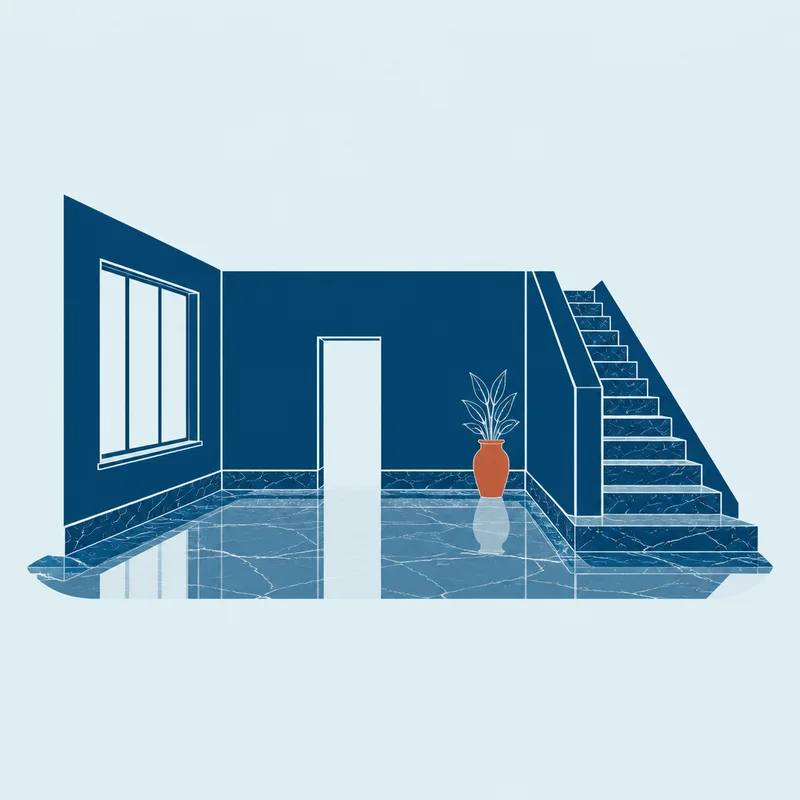
Many floor jobs leave the corners and skirtings dull, so the edge of every room gives the work away.
Why the job is different in Tayma
Marble floors in Tayma's villas and fort structures face constant fine dust deposition due to the arid desert climate, so surface wear and haze appear on stone faster than in other towns. The whole method is set out in the marble grinding and crystallisation overview.
-
Historic fort floors and modern villa marble
Tayma's ancient forts like Qasr Al-Ablaq and Qasr Al-Hamra have original marble surfaces that need careful handling, while modern villas built beside the archaeological site have newer, smooth marble that must be protected from recurring dust.
-
Desert dust and constant winds
Tayma's location in the heart of dunes means marble floors receive dust strikes continuously, even indoors, so a haze forms quickly on newly polished surfaces and requires frequent re-polishing cycles.
-
Tourism use alongside residential occupation
Some villas and homes in Tayma serve as guest houses or tourism facilities, so their floors see heavy visitor traffic, leaving footprints and dust layers that build up faster than in ordinary residential homes.
What's Included
Tayma sits on elevated ground in Tabuk region amid desert dunes, and winds carry fine particles that settle on exposed marble surfaces and indoors near doors and windows alike.
-
The stone type and its condition read
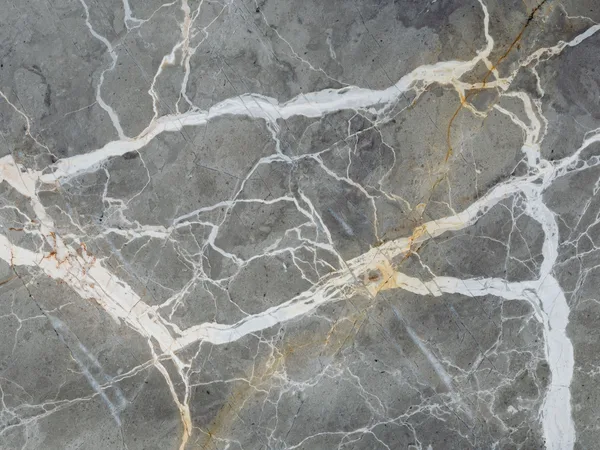
In Tayma we assess old and new marble separately because each needs different pressure during grinding.
-
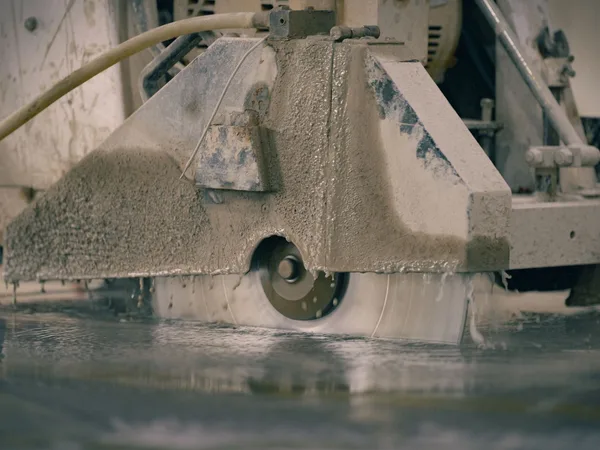
Coarse grinding to take out the scratches
Desert dust requires intensive dry vacuuming before any wet treatment starts on floors.
-
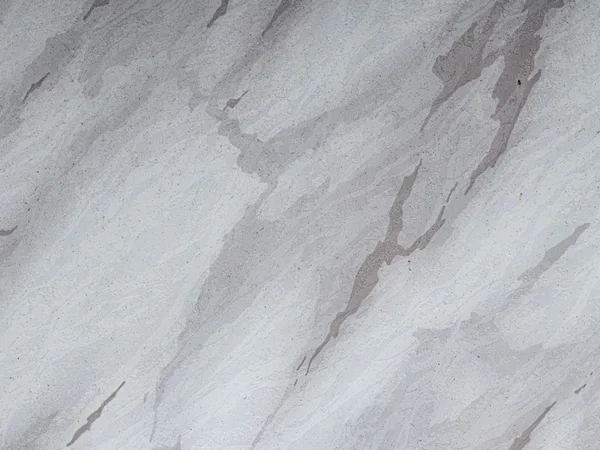
Stepped through to the fine pads
Exposed villa floors in Tayma receive extra protection after polishing because winds blow constantly.
-
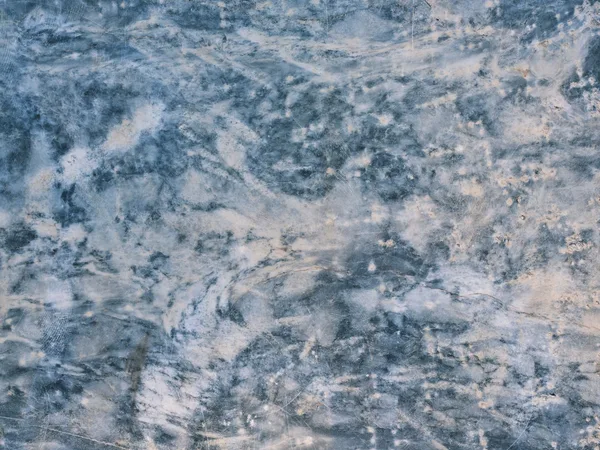
Crystallisation for a hard surface
Historic forts are not treated like modern villas, so we reduce grinding speed to preserve the original surface.
-
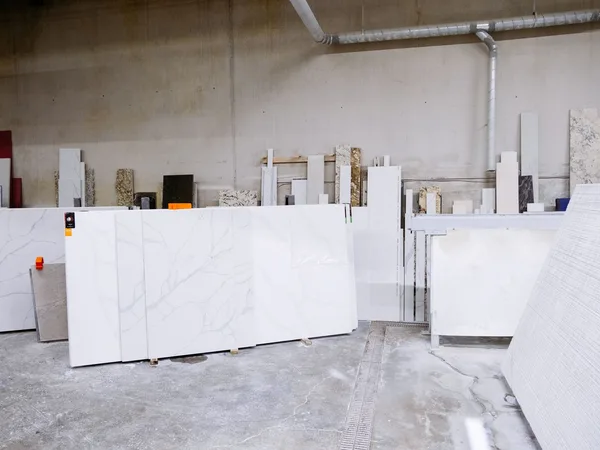
Edges and skirtings
Indoor floors near doors and windows accumulate footprints and sand faster than areas away from entrances.
-
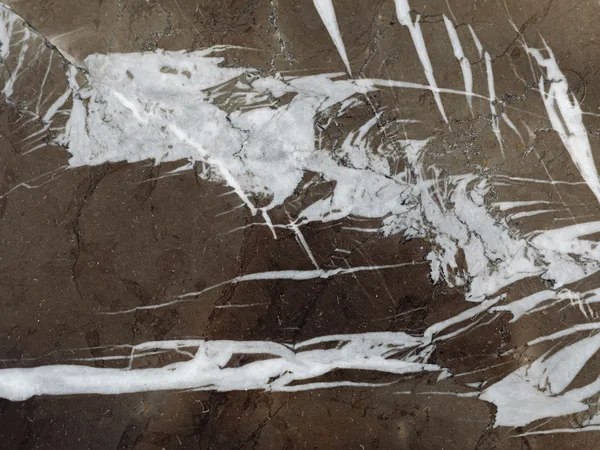
A final seal on the pores
Once polishing is complete we leave the floor to dry fully before use, which may take longer in Tayma's hot summer.
The character of Tayma
Historic district: close-set buildings, narrow lanes and ageing services
Tayma mixes ancient forts with modern villas scattered around the archaeological site, so each building needs a separate assessment of marble strength and age before choosing the right grinding approach.
How we work
Survey the floor
Prepare the space
Grind and crystallise
Clean up and hand over
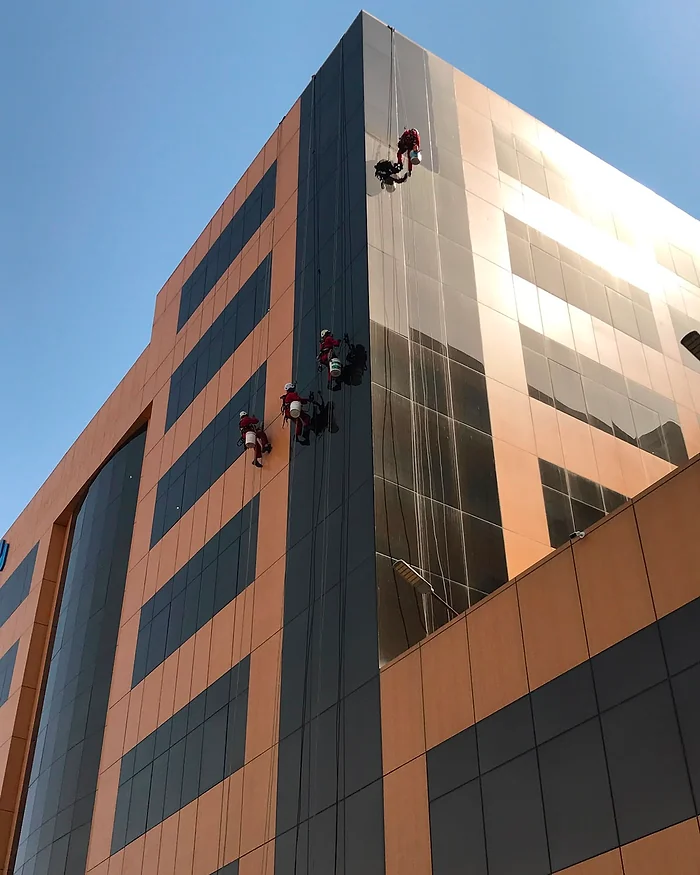
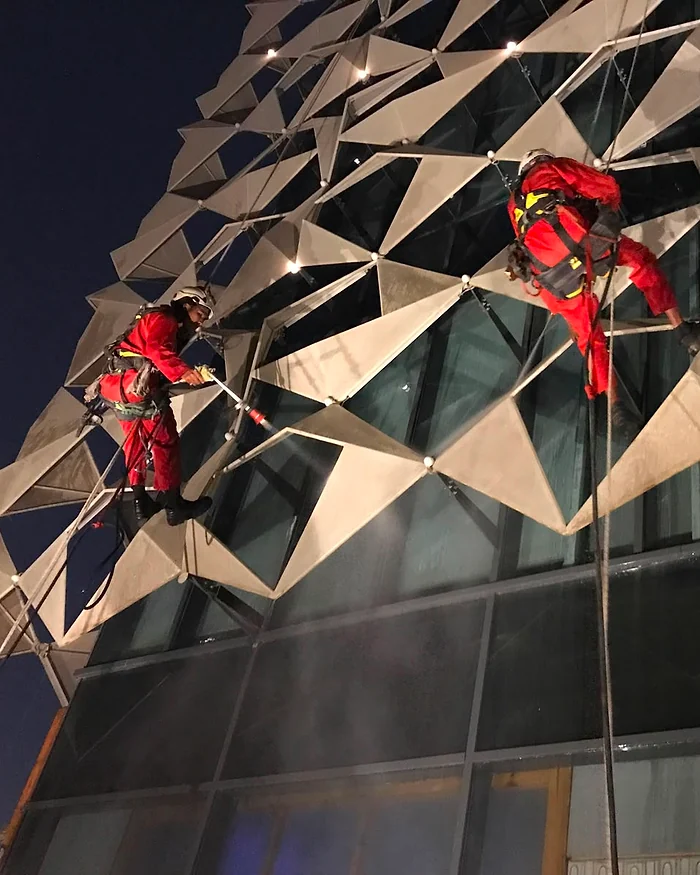
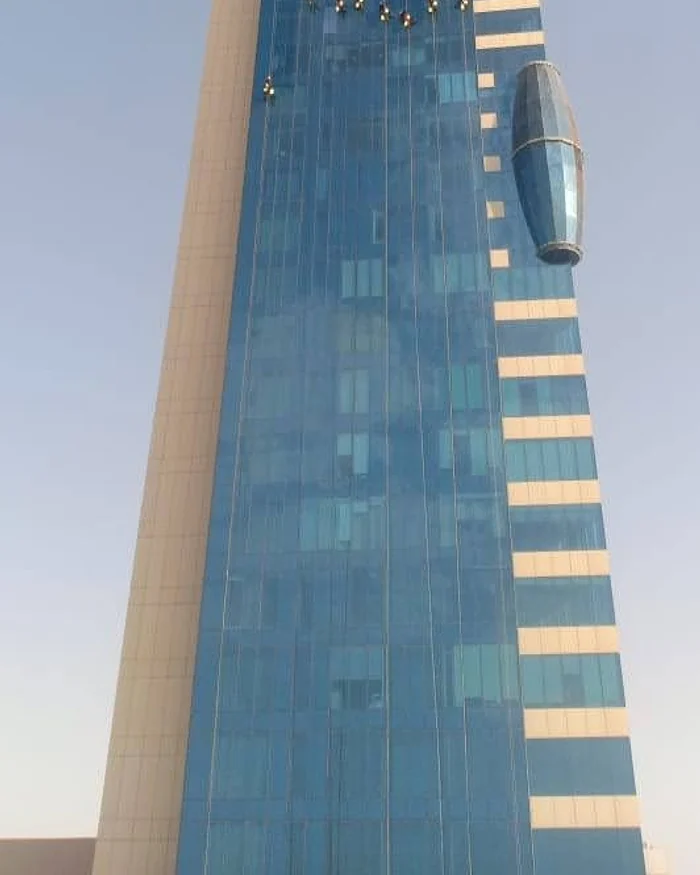
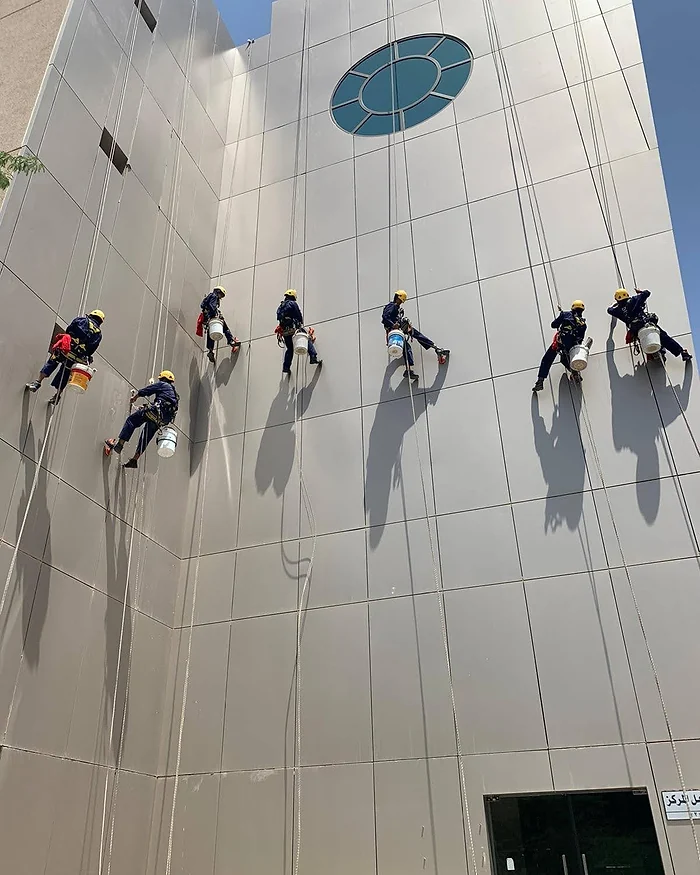
Some of our work
Photos from our team's work.


Landmarks of Tayma
Work crews in Tayma navigate between Qasr Al-Ablaq, Qasr Al-Hamra and the historic well, so visits are scheduled to cover villas near the archaeological site and homes in the modern quarters without delays between appointments.
- Qasr Al-Ablaq
- Qasr Al-Hamra
- Haddaj Well
- Tayma's ancient city wall
Other services in Tayma
The room and the building around it are on one list.