
Raghwat Al Janoub Maintenance and Cleaning
Marble grinding and crystallisation in Thadiq
Thadiq sits wedged between the Tuwaiq escarpment and Gharaba plateau, and its marble floors face moisture from Wadi Ubaithran and wind effects from surrounding mountains. Polishing marble here accounts for seasonal moisture swings and fine dust carried down from the heights by air currents.
Why grinding beats a surface polish
-

Shine from the stone, not a layer
A surface polish shines for the first week, then flakes off at the doors and busy walkways.
-

Scratches removed, not hidden
Deep scratches and sunken stains do not wipe away, because they sit inside the stone.
-
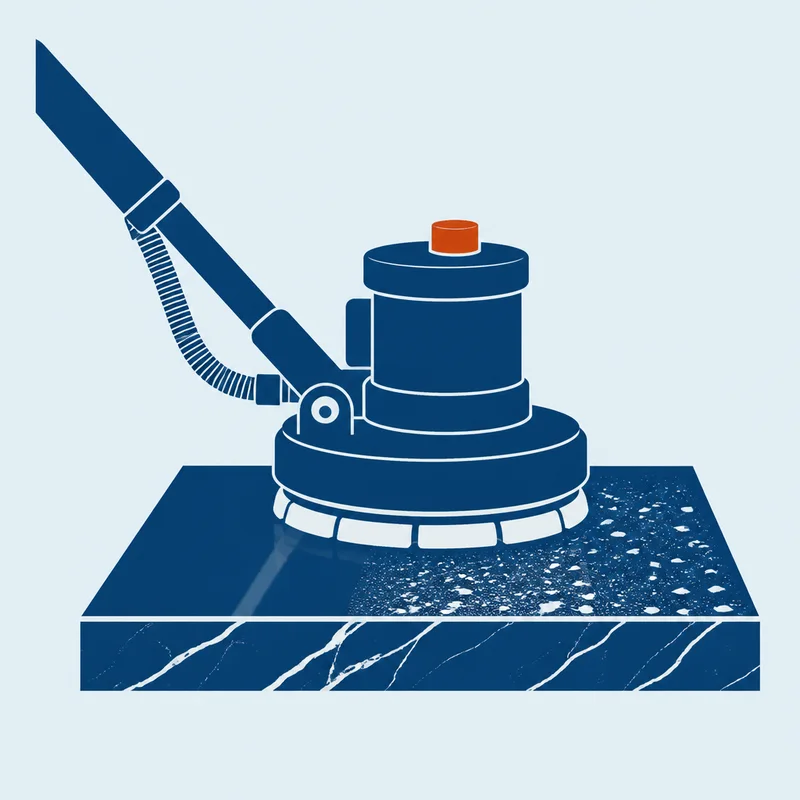
A surface that resists Riyadh dust
Central Saudi dust is fine, mineral and constant, and it grinds against a soft polish all day until the shine dulls.
-
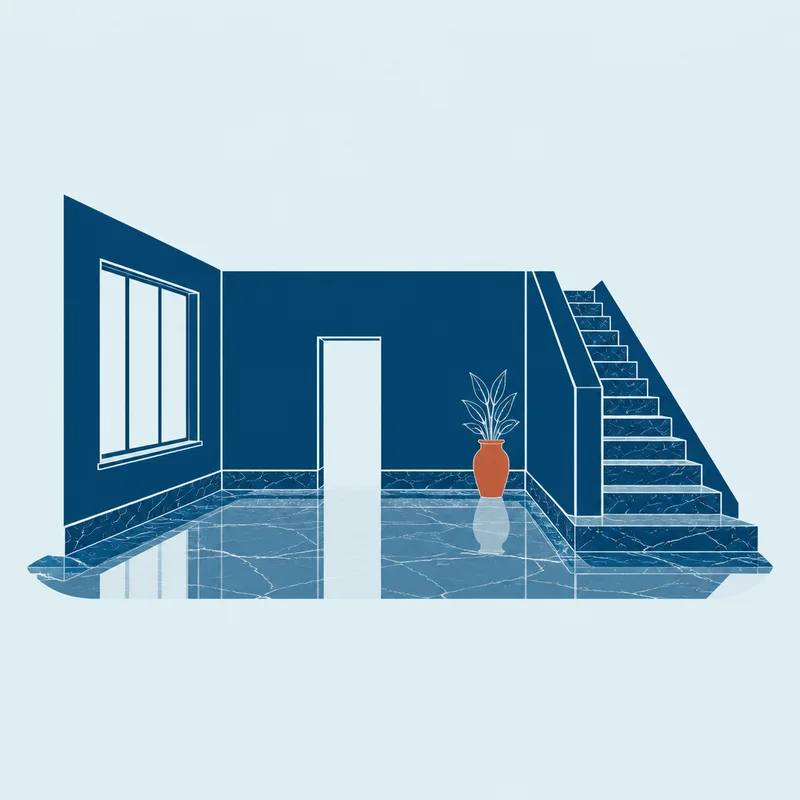
Edges and skirtings matched
Many floor jobs leave the corners and skirtings dull, so the edge of every room gives the work away.
Why the job is different in Thadiq
Thadiq homes have marble floors, and some are refurbished every decade because moisture and salt affect the stone faster here than in more open areas. The whole method is set out in our notes on marble grinding and crystallisation.
-
Narrow town between escarpment and plateaus, horizon hemmed in
Thadiq is ringed on three sides by mountains and plateaus, so air does not move freely and moisture settles on floors after seasonal rain. This confinement means salt deposits in thicker layers than in open areas.
-
Seasonal Wadi Ubaithran water and dam management
Wadi Ubaithran flows seasonally and the modern dam manages water runoff, but groundwater remains high most of the year and rises into marble floors through foundations and lower walls. Polishing here needs continuous dryness testing in affected areas.
-
Government buildings and homes with limited daily traffic
Small Thadiq does not see heavy foot traffic like larger cities, so its floors retain moisture longer because less movement means less natural ventilation of the surface. Government offices and homes stay quiet most of the day, letting salt settle slowly and evenly across every part of the floor.
What's Included
Thadiq sits in a narrow valley bottom enclosed by Tuwaiq escarpment to the south and plateaus to north and west, a position that traps moisture on floors and prevents it evaporating as readily as it would in open terrain.
-
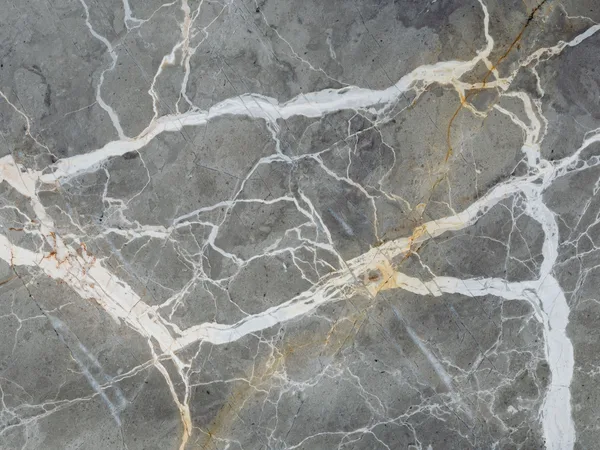
The stone type and its condition read
Groundwater from Thadiq foundations rises fast, so surface dryness is tested more than once before polishing.
-
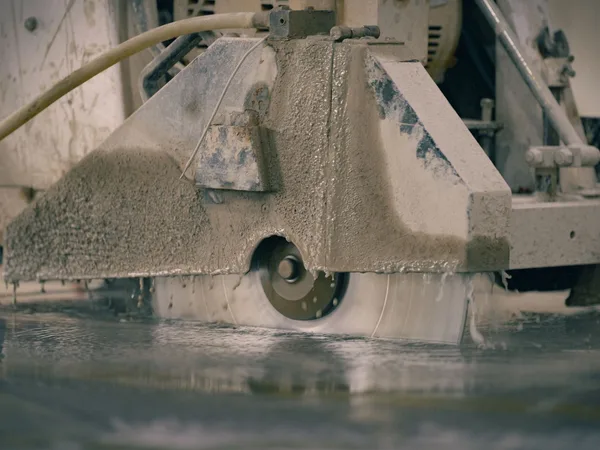
Coarse grinding to take out the scratches
Salt settled from still air in the narrow town needs deep and ongoing cleaning before crystallisation.
-
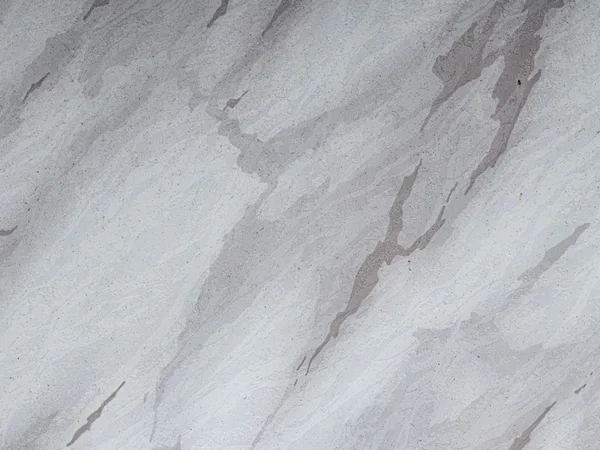
Stepped through to the fine pads
Government building floors, being quiet, hold moisture longer and need extra waiting before polishing begins.
-
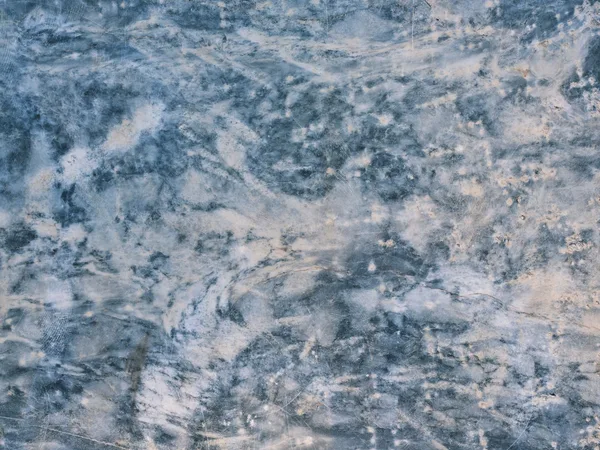
Crystallisation for a hard surface
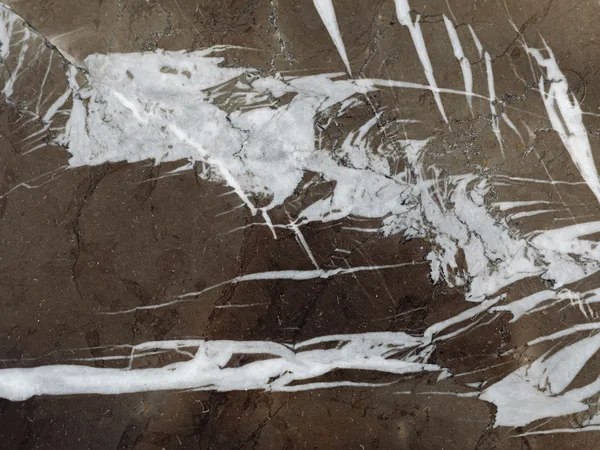
Local and imported marble types differ in absorption and density, so each needs separate testing.
-
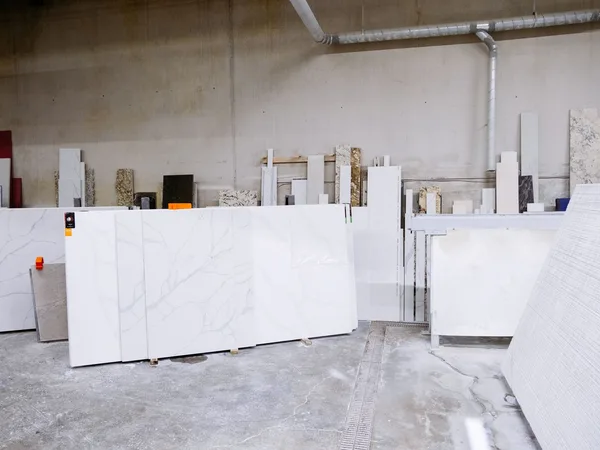
Edges and skirtings
Tuwaiq escarpment and plateaus around Thadiq trap air, so natural drying is slower than in open areas.
-
A final seal on the pores
After crystallisation, the floor needs longer to fully set because high moisture persists.
Thadiq on the map
Thadiq sits about 31 km from Huraymila and about 61.5 km from Shaqra.
Open in Google MapsHow we work
Survey the floor
Prepare the space
Grind and crystallise
Clean up and hand over
Some of our work
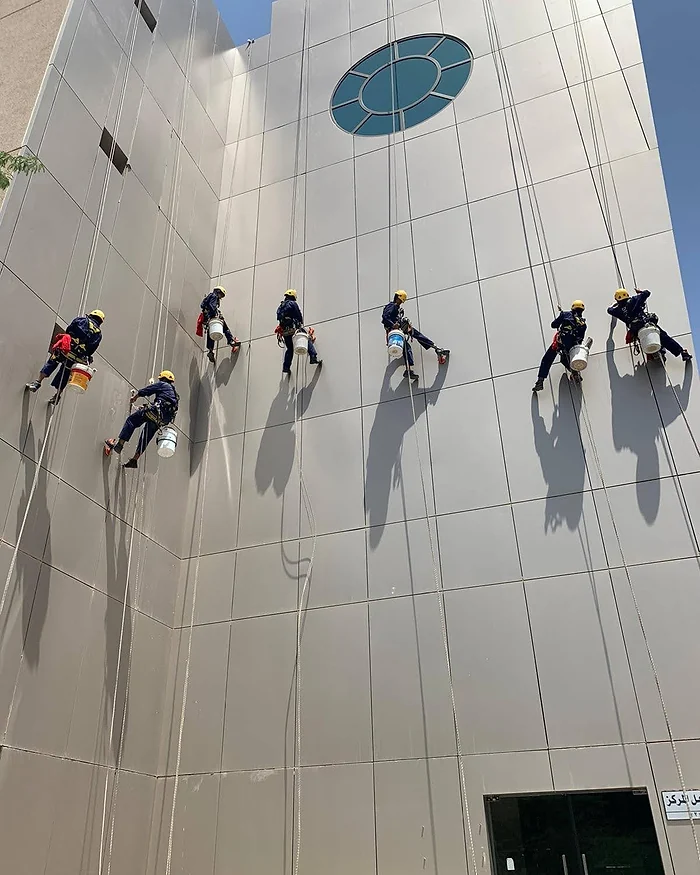
Photos from our team's work.


The character of Thadiq
Rural area: farms, open ground and scattered homes
Thadiq is a small rural town with government buildings and simple homes, so its floors vary between older local marble and newer imported marble, each needing separate assessment by type and condition.
Other services in Thadiq
The room and the building around it are on one list.