Raghwat Al Janoub Maintenance and Cleaning
Marble grinding and crystallisation in Huraymila
Huraymila is a small historic town with marble floors in old homes, a preserved mosque and heritage structures around Wadi Al-Shueib, where local stone differs from imported marble in newer flats. Polishing marble here balances respect for the town's heritage buildings with the care that local stone needs to avoid damage.
Why grinding beats a surface polish
-
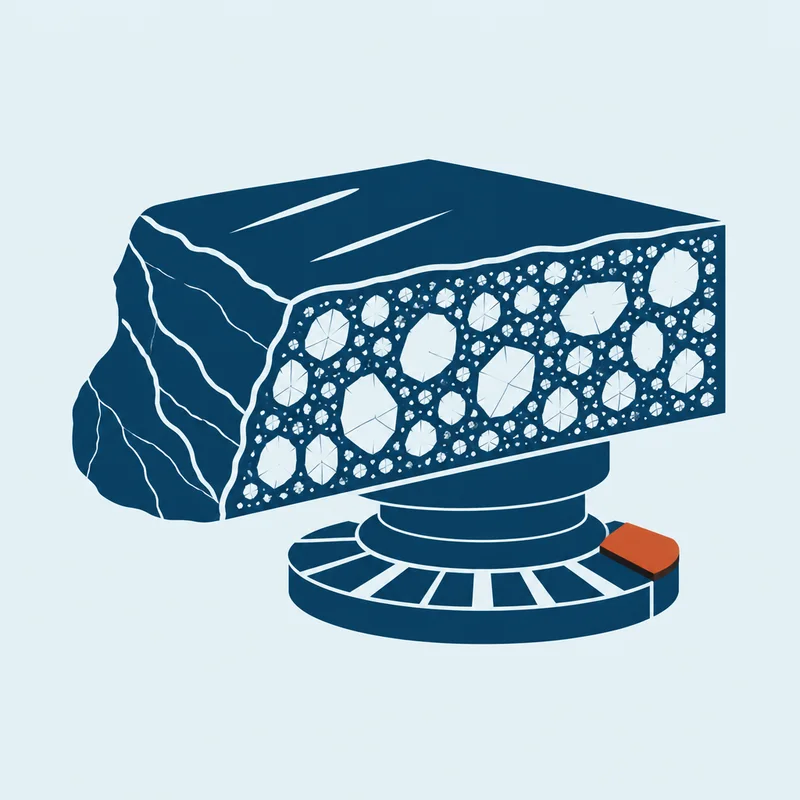
Shine from the stone, not a layer
A surface polish shines for the first week, then flakes off at the doors and busy walkways.
-

Scratches removed, not hidden
Deep scratches and sunken stains do not wipe away, because they sit inside the stone.
-
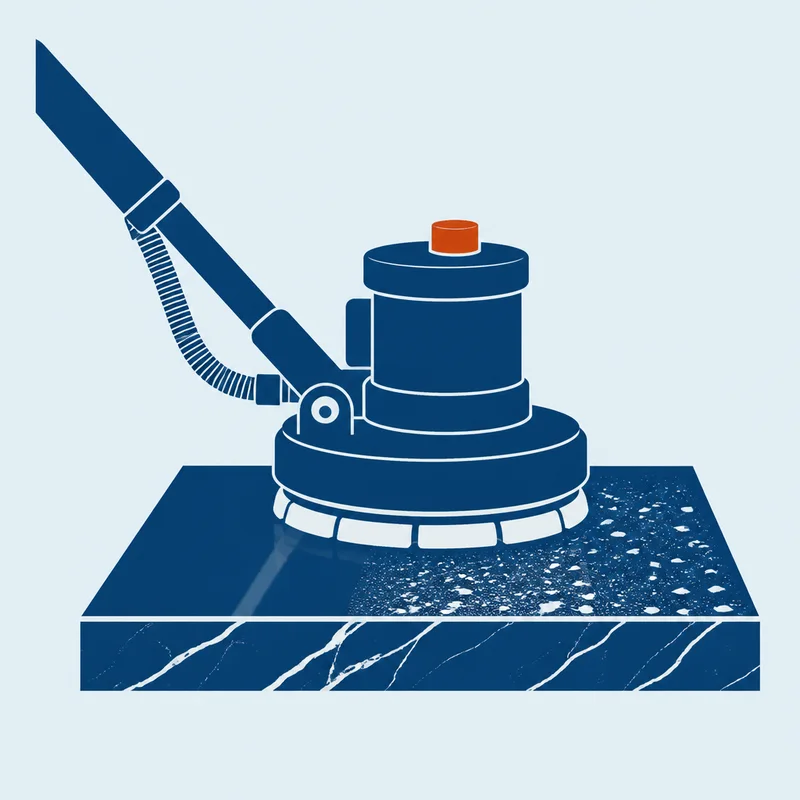
A surface that resists Riyadh dust
Central Saudi dust is fine, mineral and constant, and it grinds against a soft polish all day until the shine dulls.
-
Edges and skirtings matched
Many floor jobs leave the corners and skirtings dull, so the edge of every room gives the work away.
Why the job is different in Huraymila
Local stone floors in Huraymila undergo seasonal expansion and contraction because of day-night temperature swings and moisture effects, so cracks appear and fade with the seasons. The whole method is set out in our marble grinding and crystallisation guide.
-
Old homes near Al-Qarrasha mosque and Imam Muhammad ibn Abd al-Wahhab heritage site
Heritage homes around Huraymila's historic mosque and preserved house contain local wadi and mountain stone with different hardness and higher porosity than imported marble. Polishing needs care so we do not affect the buildings' heritage status or structure.
-
Wadi Al-Shueib, seasonal moisture and rapid temperature swings
The neighbouring valley brings seasonal moisture and the mountain reduces shade, creating large day-night temperature gaps that happen fast. Local stone expands and contracts with these shifts, causing fine cracks that need careful treatment before polishing.
-
Farms and small villages around the wadi with simple stone floors
Around Wadi Al-Shueib are simple farming villages and rural villas with basic local stone floors, not polished to the degree of modern marble. These floors need special care because the stone is softer and more porous than imported marble.
What's Included
Huraymila sits northwest of Riyadh along Wadi Al-Shueib below Jabal Al-Qitar, and nearness to the mountain means local stone faces seasonal moisture effects and rapid temperature swings that affect its surface.
-
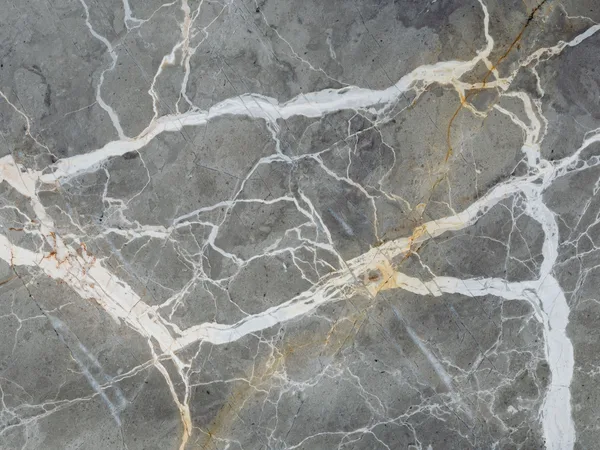
The stone type and its condition read
Local stone in Huraymila is porous and softer than imported marble, so cleaning needs caution and a gentle approach.
-
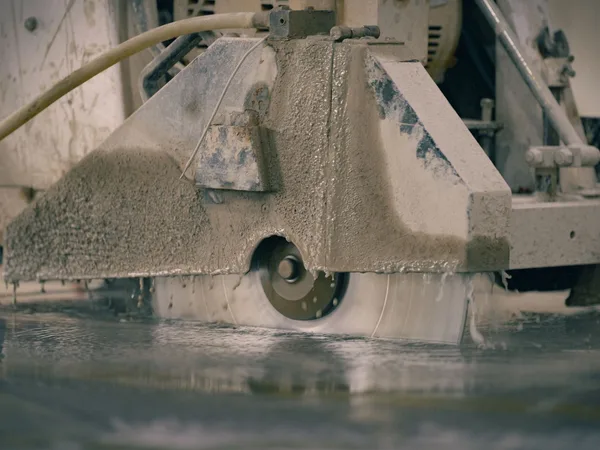
Coarse grinding to take out the scratches
Fine cracks from seasonal stone expansion and contraction are treated before polishing so they do not deepen over time.
-
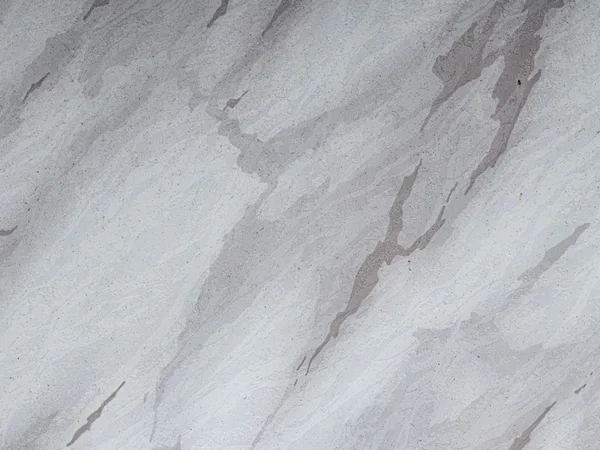
Stepped through to the fine pads
Heritage buildings need extra approval and special assessment before any polishing work on their floors.
-
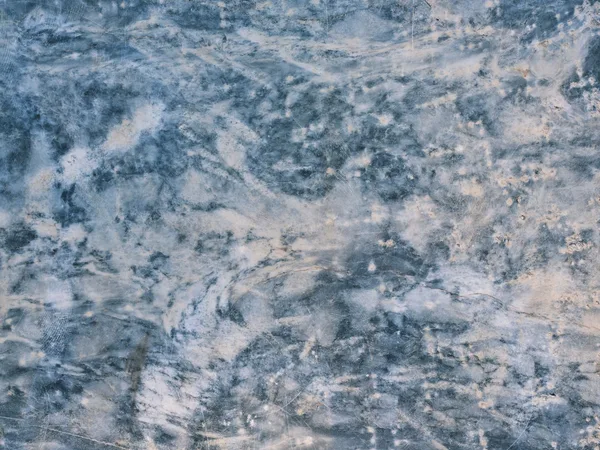
Crystallisation for a hard surface
Rapid day-night temperature swings near the mountain affect surface stability after grinding.
-
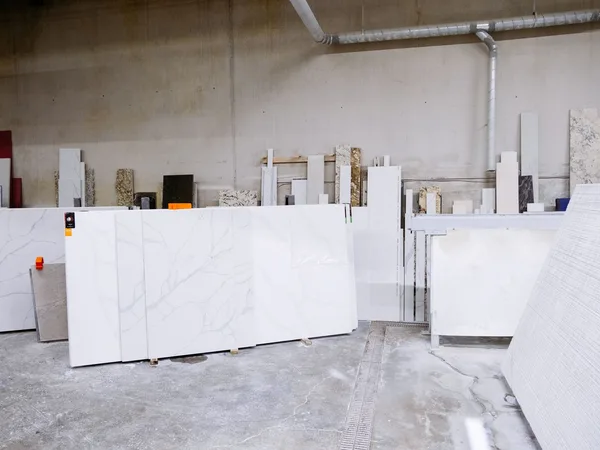
Edges and skirtings
Simple farmstead floors hold moisture longer because of high stone porosity.
-
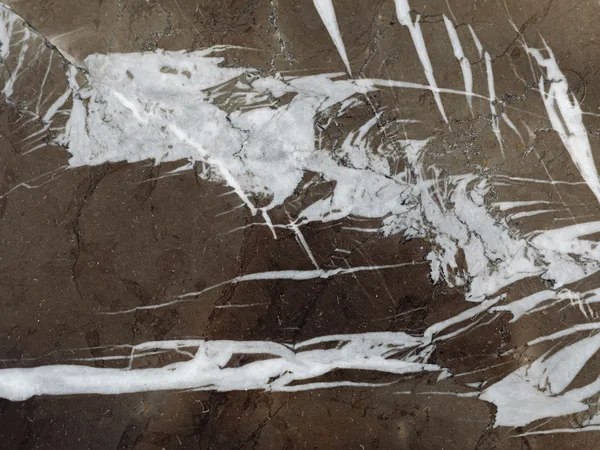
A final seal on the pores
After polishing, local stone needs regular care and good ventilation to preserve the crystallisation long-term.
Landmarks of Huraymila
Work crews in Huraymila schedule around Jami' Al-Qarrasha Mosque, the House of Imam Muhammad ibn Abd al-Wahhab and Jabal Al-Qitar, arranging visits to heritage sites and rural villages spread along Wadi Al-Shueib with no appointment overlap.
- Jami' Al-Qarrasha Mosque
- House of Imam Muhammad ibn Abd al-Wahhab
- Jabal Al-Qitar
- Wadi Al-Shueib
How we work
Survey the floor
Prepare the space
Grind and crystallise
Clean up and hand over
Some of our work
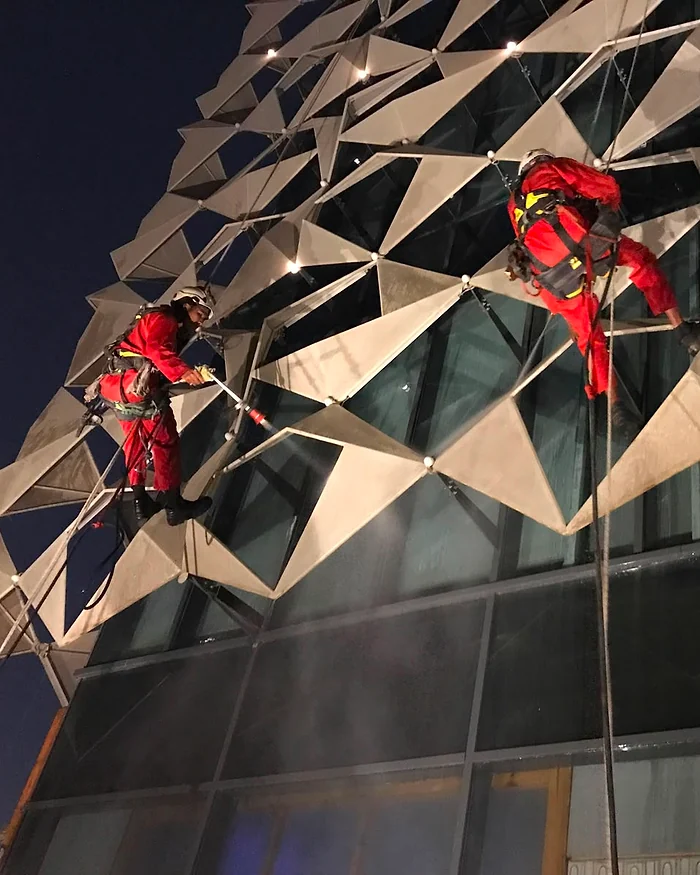
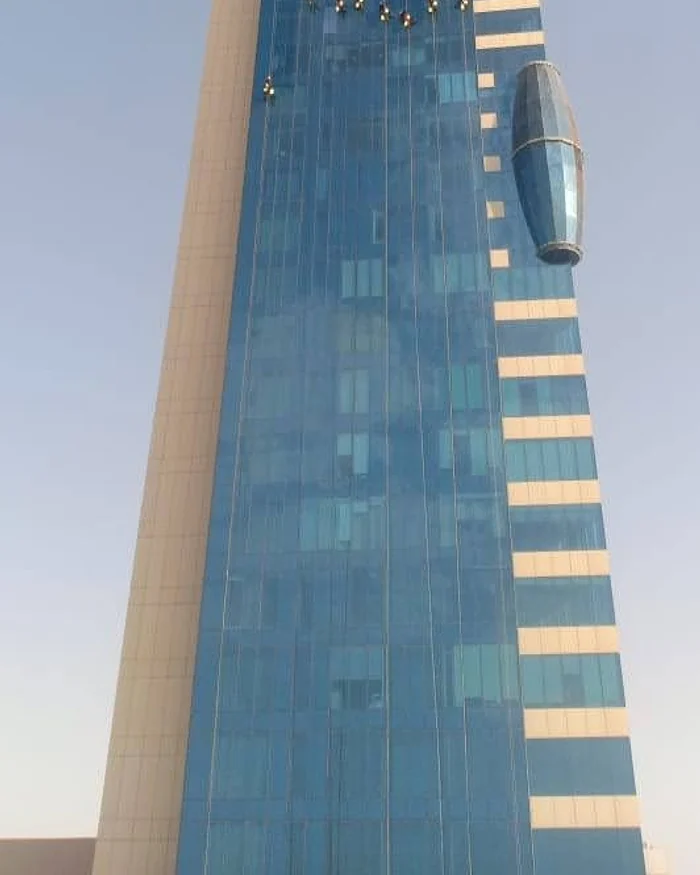
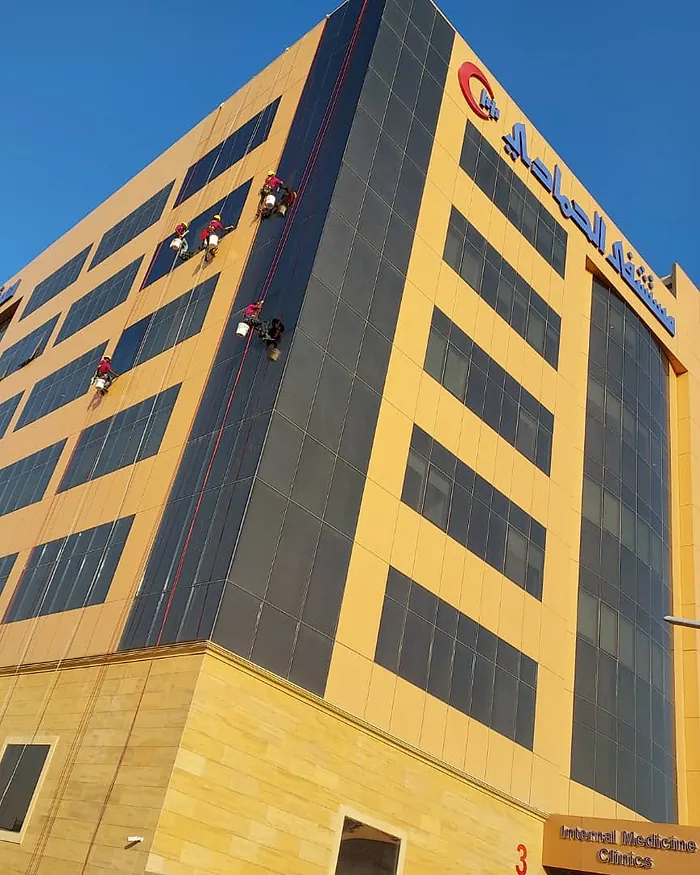
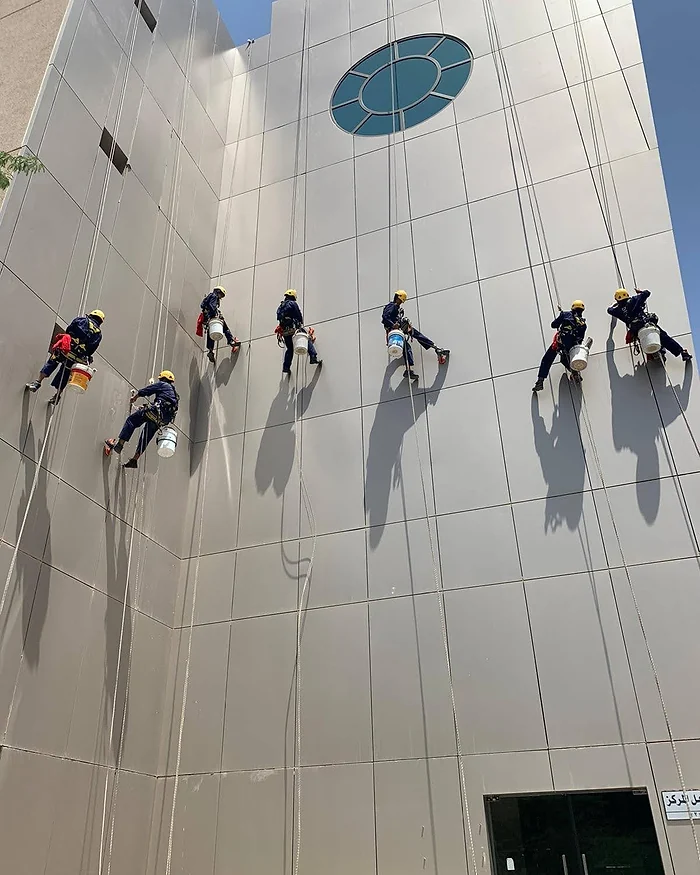
Photos from our team's work.
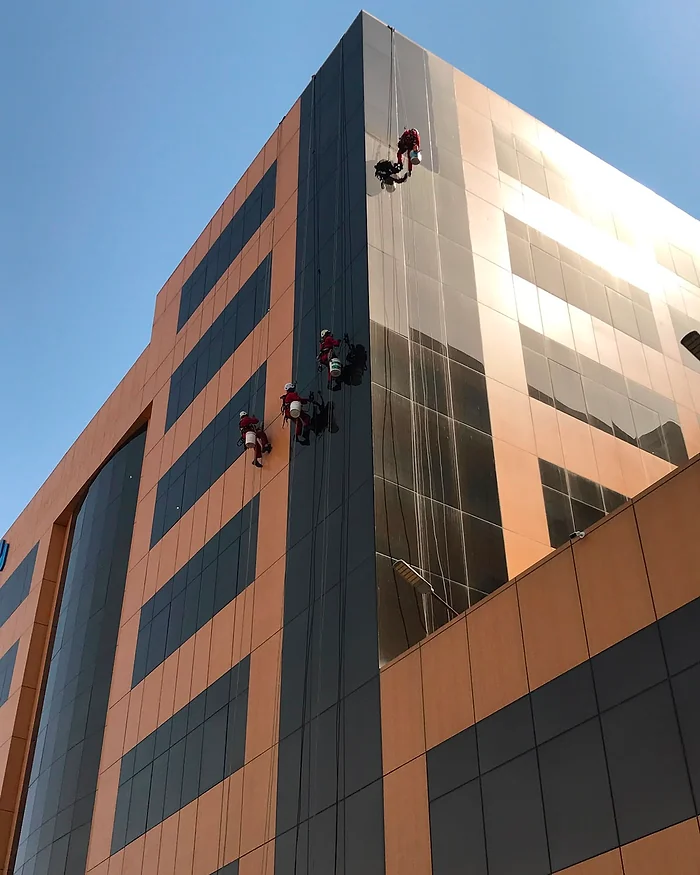

What is different about Riyadh Region
Riyadh Region covers the central Najd plateau from the capital out to Al Kharj, Al Majma'ah, Al Zulfi, Dawadmi, Al Quwaiiyah and Wadi Al Dawasir. The climate is dry, with fierce summer heat, cool winters and spring dust storms carried off the Dahna sands to the east and the Nafud beyond Al Zulfi. The capital's glass towers and cladding sit alongside stone and marble villas, mosques and government buildings in the towns, with farms and palm groves around Al Kharj and the southern wadis. Fine dust abrades polished floors, and the hard groundwater leaves stubborn spotting on glass and stone.
Other services in Huraymila
The room and the building around it are on one list.