Raghwat Al Janoub Maintenance and Cleaning
Marble grinding and crystallisation in Uyun AlJiwa
Uyun Al-Jiwa is a small farming town built around ancient wells and underground irrigation channels, with a large mosque, hospital, public library and simple stone-floored buildings that see steady use. The damp soil from the old irrigation system affects stone floors differently than in purely arid towns.
Why grinding beats a surface polish
-
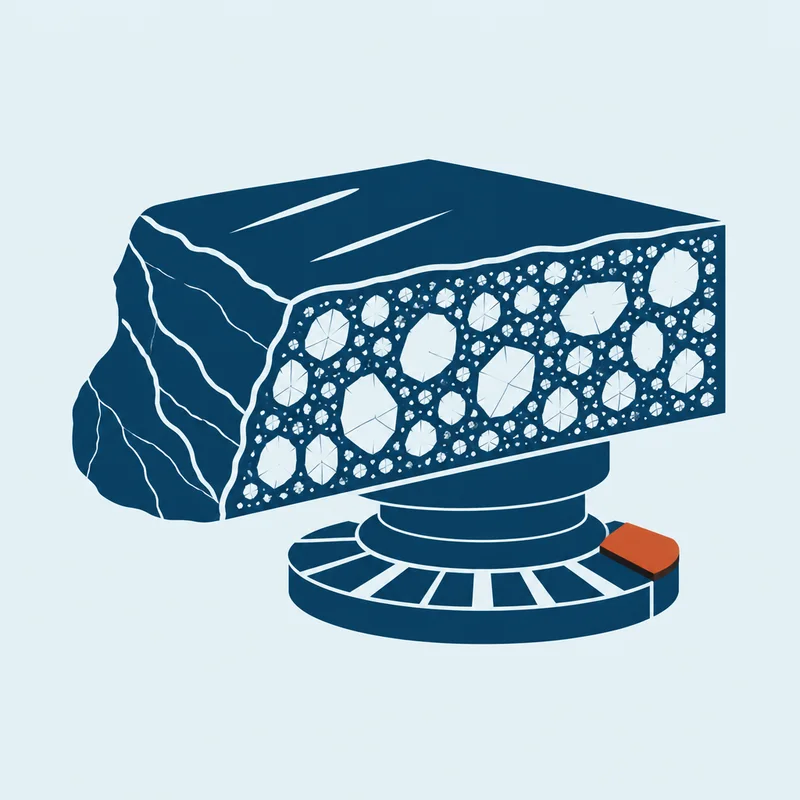
Shine from the stone, not a layer
A surface polish shines for the first week, then flakes off at the doors and busy walkways.
-
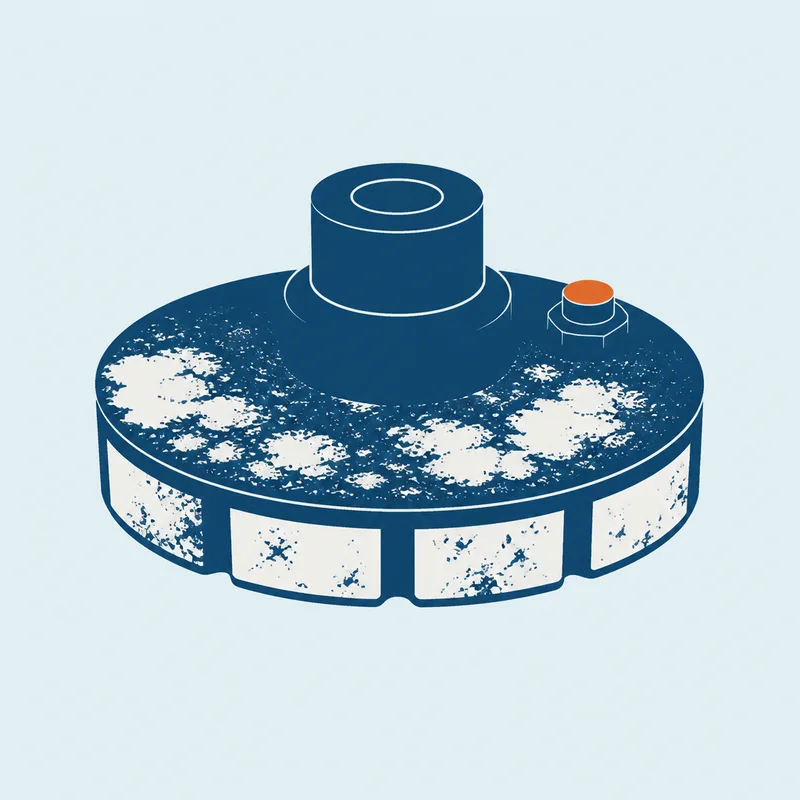
Scratches removed, not hidden
Deep scratches and sunken stains do not wipe away, because they sit inside the stone.
-
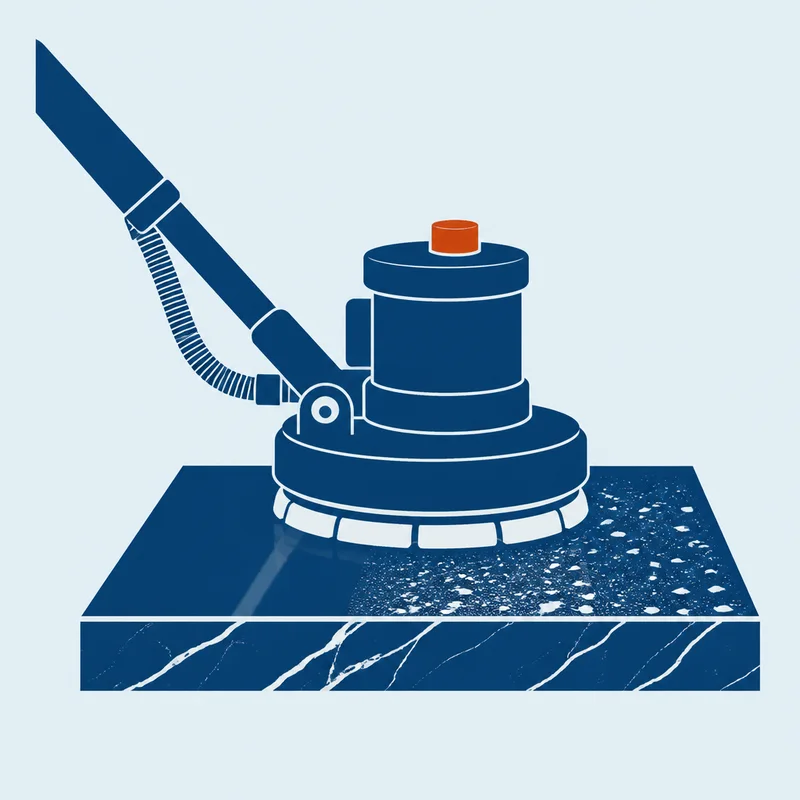
A surface that resists Riyadh dust
Central Saudi dust is fine, mineral and constant, and it grinds against a soft polish all day until the shine dulls.
-
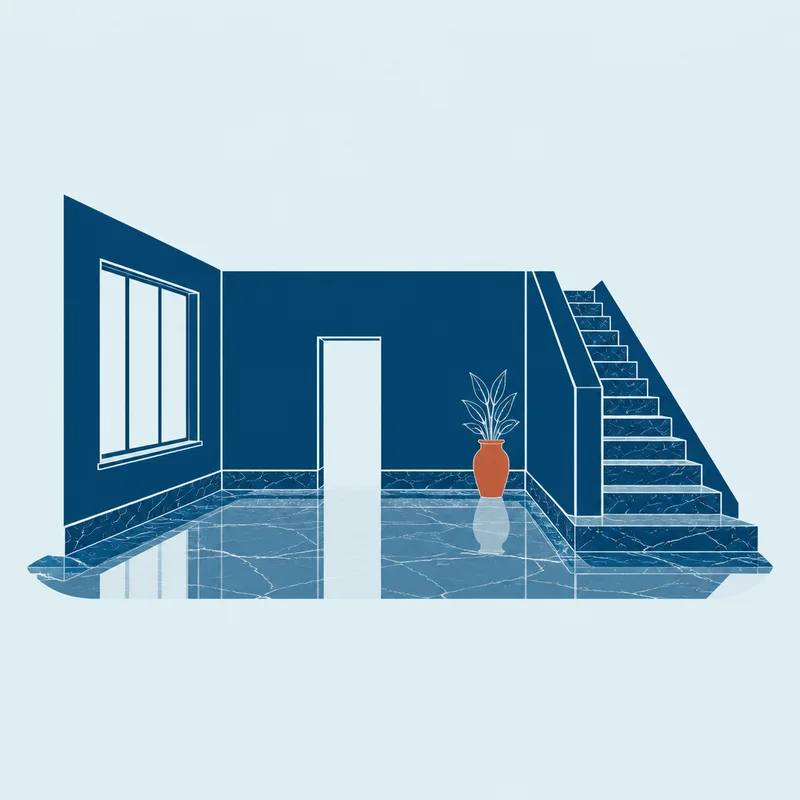
Edges and skirtings matched
Many floor jobs leave the corners and skirtings dull, so the edge of every room gives the work away.
Why the job is different in Uyun AlJiwa
Floors in Uyun Al-Jiwa's hospital, library and mosque are affected by constant moisture rising from beneath, increasing the rate of salt deposits on stone compared to any other building in town. The whole method is set out in our marble grinding and crystallisation guide.
-
Ancient underground irrigation system and constant moisture
Uyun Al-Jiwa is built on centuries-old underground irrigation channels, and this system raises moisture levels permanently beneath buildings, so stone floors absorb salts faster than any other Qassim town experiences.
-
Hospital despite the small town size sees steady traffic
Uyun Al-Jiwa Hospital serves kidney dialysis patients and the farming area around it, so floors see daily passage of patients, staff and visitors, and each step leaves a mark on stone that is damp by nature from below.
-
Library and public halls with simple design
Uyun Al-Jiwa Public Library, the town hall and meeting rooms are simply built with stone floors but no modern damp-proof layers, so they absorb ground moisture directly and salt builds up in the stone quickly.
What's Included
Uyun Al-Jiwa sits in a farming area dependent on old underground irrigation, and the constant high moisture from that system causes stone floors to absorb salts and minerals faster than in arid regions.
-
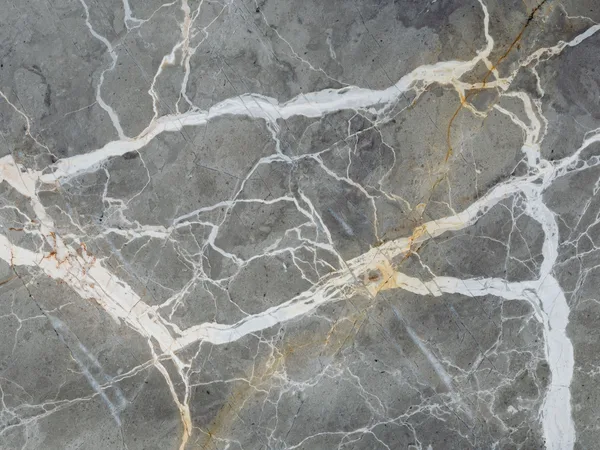
The stone type and its condition read
Mineral salts from constant moisture beneath buildings are removed with specialist acid treatment before new crystallisation.
-
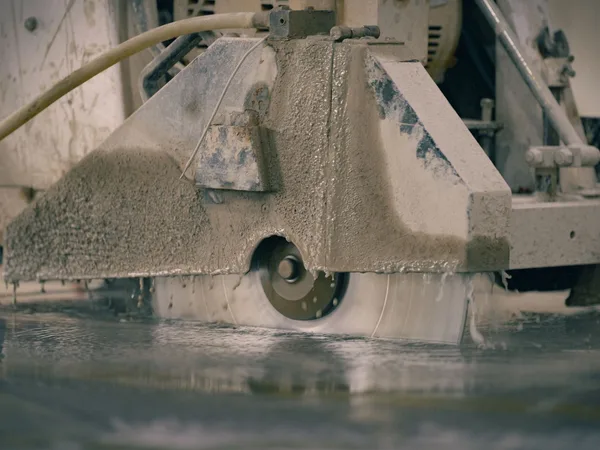
Coarse grinding to take out the scratches
Specialist protective coating is applied to the stone to reduce ongoing salt and moisture absorption from the soil below.
-
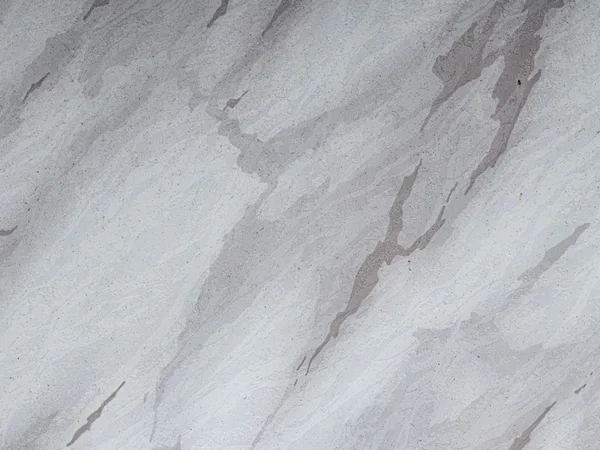
Stepped through to the fine pads
Hospital floors experiencing heavy daily traffic need stronger treatment and more frequent crystallisation than other floors.
-
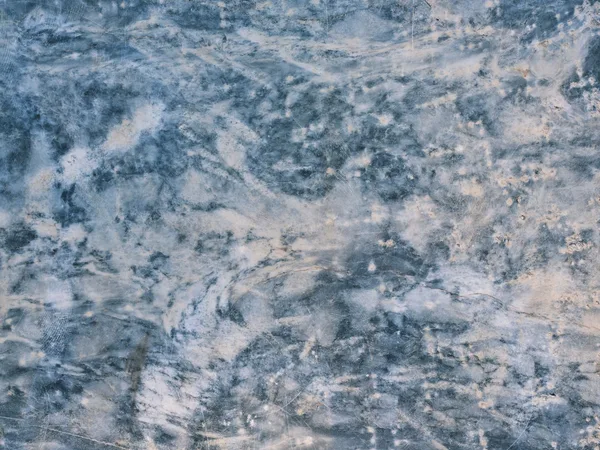
Crystallisation for a hard surface
The library and public halls, despite simple design, face the same moisture level but see less foot traffic, so need thorough treatment but less frequently.
-
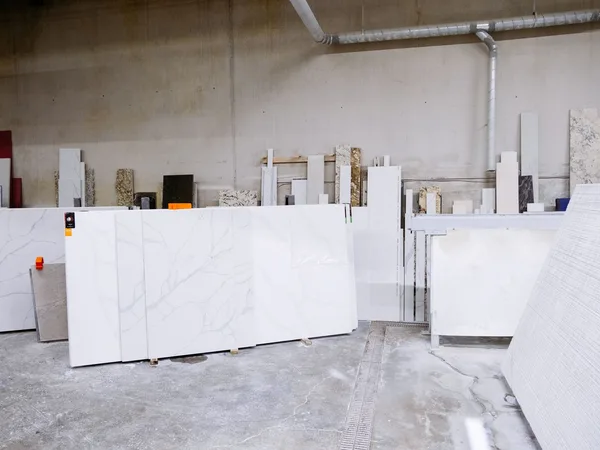
Edges and skirtings
Half-yearly inspections are necessary to measure new salt buildup and plan additional treatment or re-crystallisation.
-
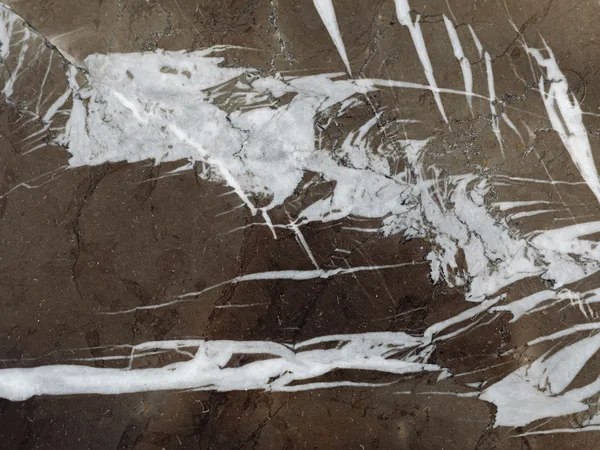
A final seal on the pores
Crystallisation in Uyun Al-Jiwa differs completely from arid-town work because constant moisture requires ongoing treatment and protection.
Uyun AlJiwa on the map
Uyun AlJiwa sits about 37 km from Al Bukayriyah and about 37.5 km from Buraydah.
Open in Google MapsHow we work
Survey the floor
Prepare the space
Grind and crystallise
Clean up and hand over
Some of our work
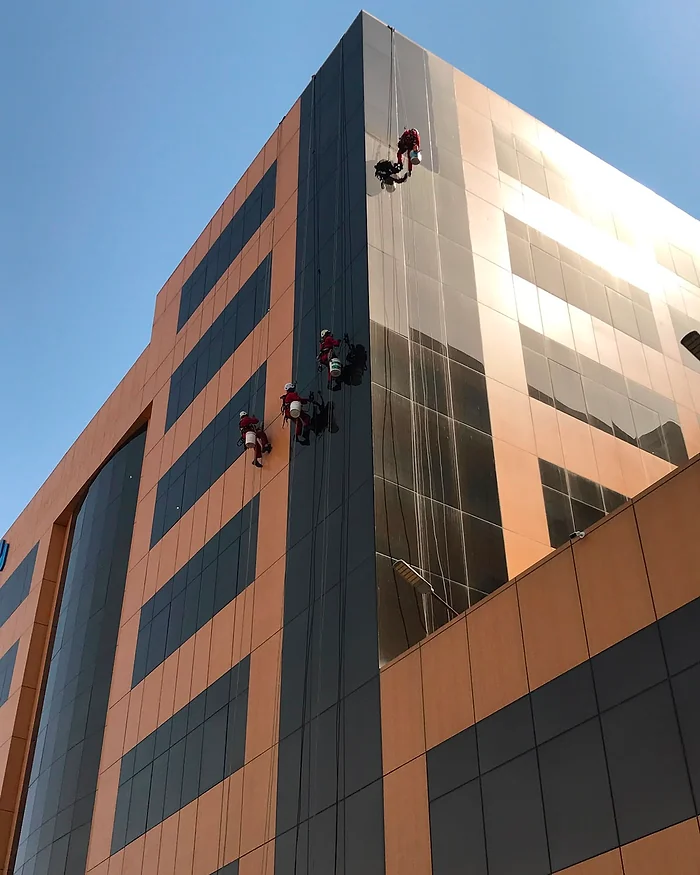
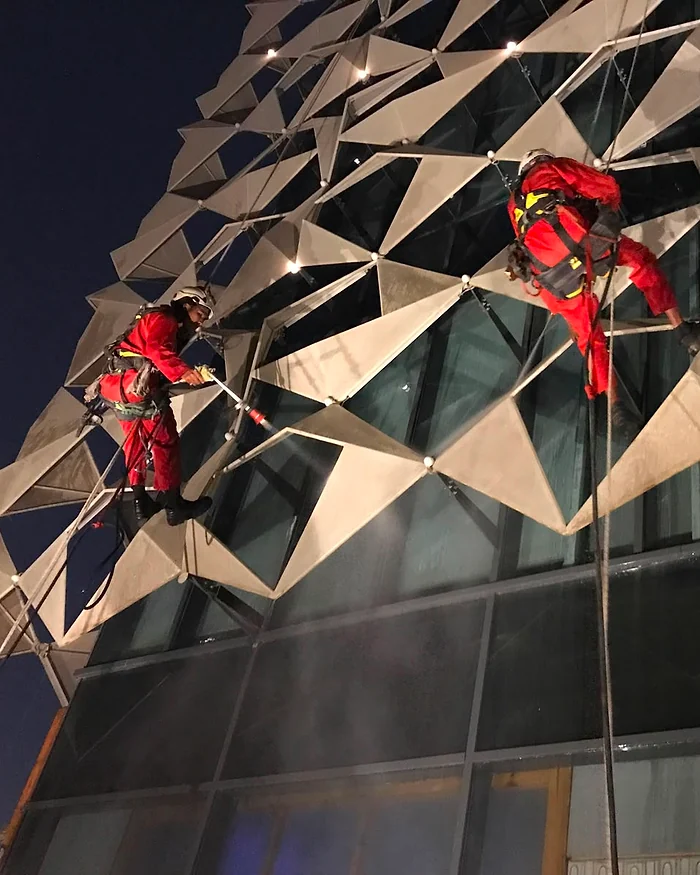
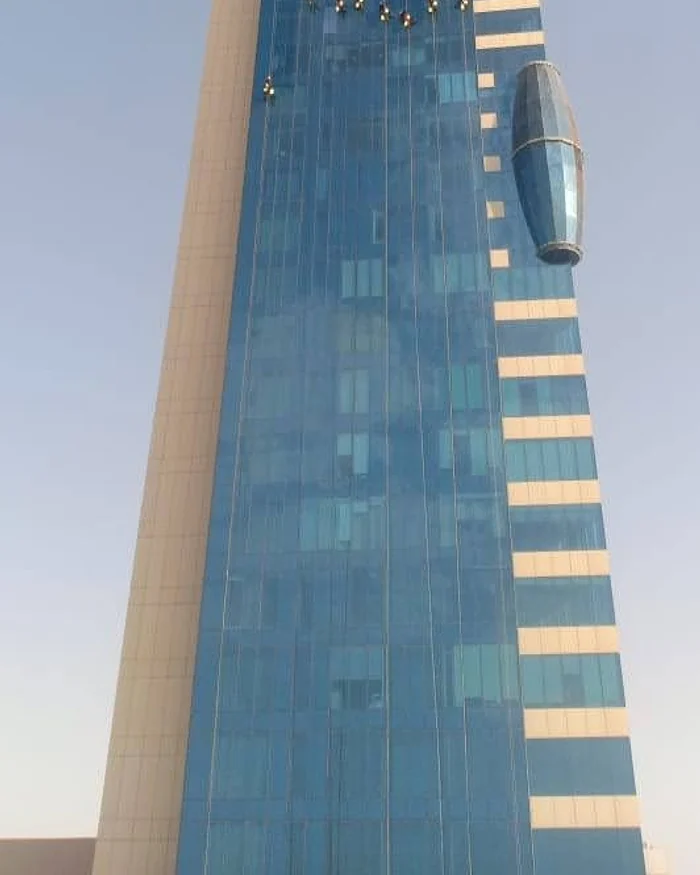
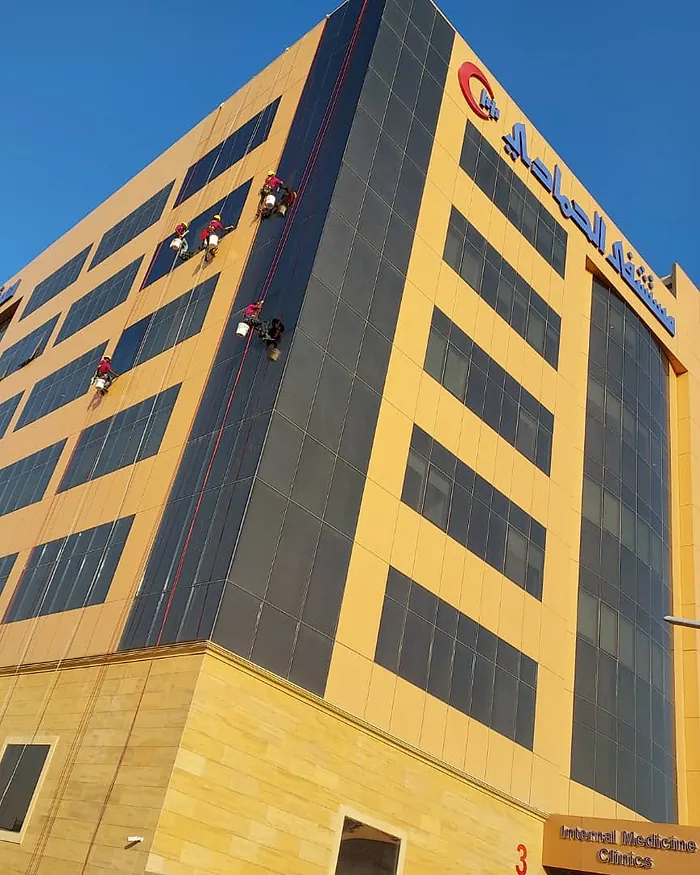
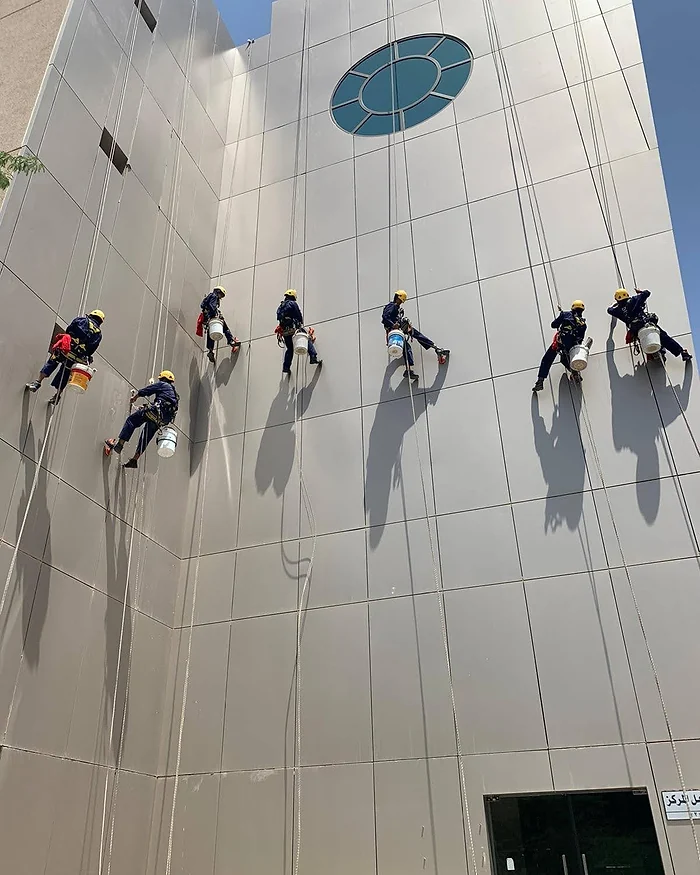
Photos from our team's work.

Landmarks of Uyun AlJiwa
Crews schedule between King Fahd Mosque, Uyun Al-Jiwa Hospital and the Public Library, timing each visit to opening hours, starting with the hospital early before peak traffic then the library and halls during quieter hours.
- King Fahd Mosque
- Uyun Al-Jiwa Hospital
- Uyun Al-Jiwa Public Library
Other services in Uyun AlJiwa
The room and the building around it are on one list.