Raghwat Al Janoub Maintenance and Cleaning
Marble grinding and crystallisation in Wadi Ad-Dawasir
Wadi Ad-Dawasir is a remote oasis town on the banks of a long desert valley surrounded by palm groves and farmland, where marble in historic forts and government buildings faces both wadi humidity and desert dust together. Polishing here must handle a dual environment: moisture from the valley and groundwater, plus dryness and dust from the surrounding desert.
Why grinding beats a surface polish
-

Shine from the stone, not a layer
A surface polish shines for the first week, then flakes off at the doors and busy walkways.
-

Scratches removed, not hidden
Deep scratches and sunken stains do not wipe away, because they sit inside the stone.
-
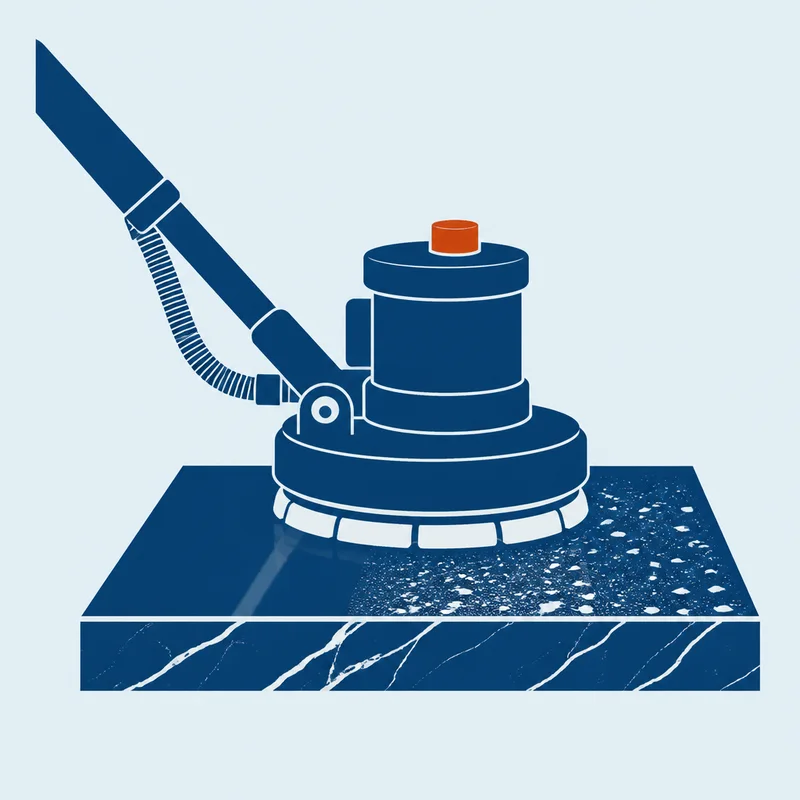
A surface that resists Riyadh dust
Central Saudi dust is fine, mineral and constant, and it grinds against a soft polish all day until the shine dulls.
-
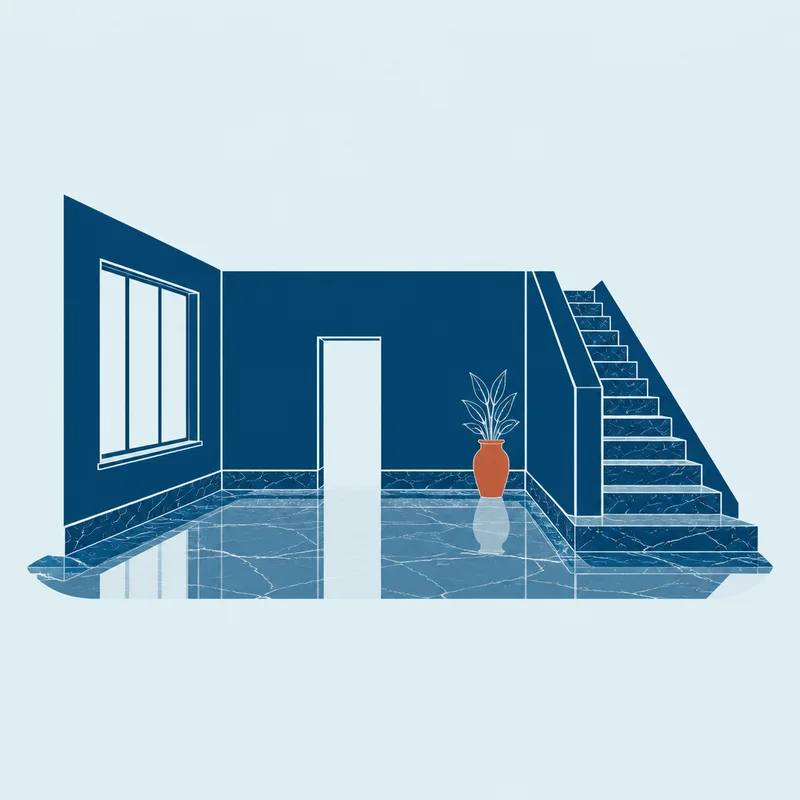
Edges and skirtings matched
Many floor jobs leave the corners and skirtings dull, so the edge of every room gives the work away.
Why the job is different in Wadi Ad-Dawasir
Older palace and government building marble in Wadi Ad-Dawasir carries thin moisture and mineral salt layers, while newer structures on higher ground suffer more from dry dust and cracking. The whole method is set out in our notes on marble grinding and crystallisation.
-
Historic fort beside the valley with high humidity
Qasr al-Khuwairi and older buildings in Wadi Ad-Dawasir sit right beside the valley, so they face high humidity from groundwater and palm groves. This moisture weighs down the marble and leaves white mineral salt marks on the surface.
-
Government buildings at different humidity levels
Government buildings in Wadi Ad-Dawasir spread across different elevations, so those near the valley are moist and those further away are drier. Each building needs different polishing calibration based on its location.
-
Palm groves and farmland surrounding the town
Wadi Ad-Dawasir is ringed by palm groves and fields fed by the valley water, so humidity and morning dew increase on buildings nearby. Polishing here must resist this repeated moisture.
What's Included
Wadi Ad-Dawasir sits on the banks of a long valley with high groundwater levels, so humidity rising from the wadi and palm groves settles on marble in older buildings, carrying mineral salt that weakens the surface.
-
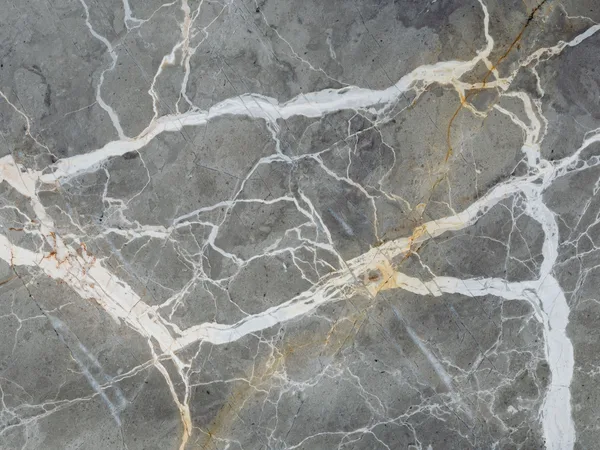
The stone type and its condition read
Valley humidity and groundwater settle on old palace marble fast, so we ensure the surface is completely dry before grinding starts.
-
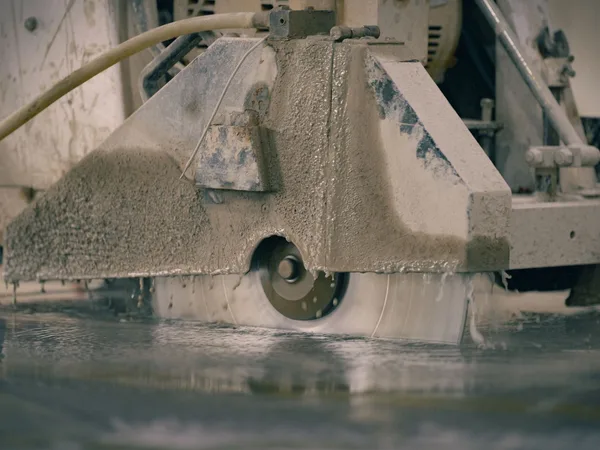
Coarse grinding to take out the scratches
White mineral salt marks are treated specially before grinding and crystallisation so they do not re-embed in the new crystal layer.
-
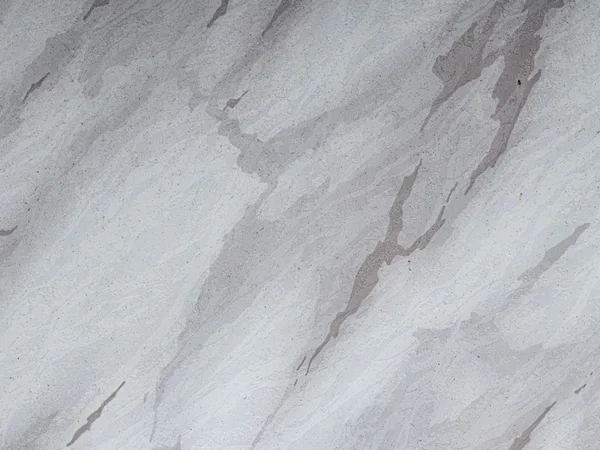
Stepped through to the fine pads
Buildings at different elevations need different crystallisation based on moisture level, so those near the valley need stronger moisture resistance.
-
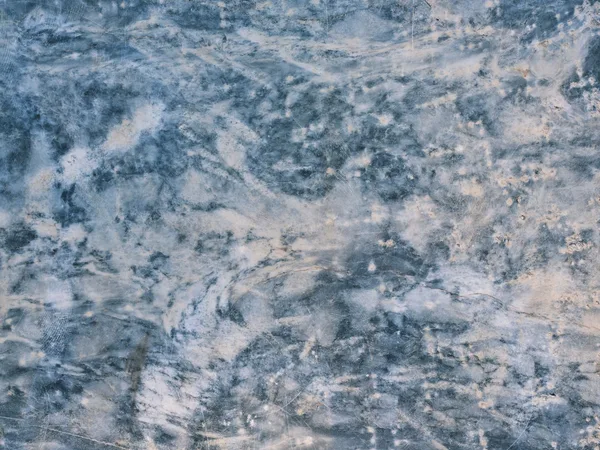
Crystallisation for a hard surface
Morning dew from palm groves and the valley may weaken new crystallisation in its first hours, so we advise against opening doors and windows for several hours after we finish.
-
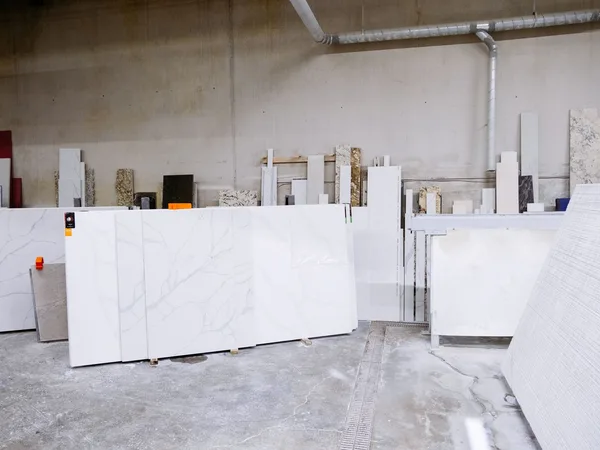
Edges and skirtings
Polishing cycles in Wadi Ad-Dawasir are shorter than in dry towns because humidity and salt dull the shine faster.
-
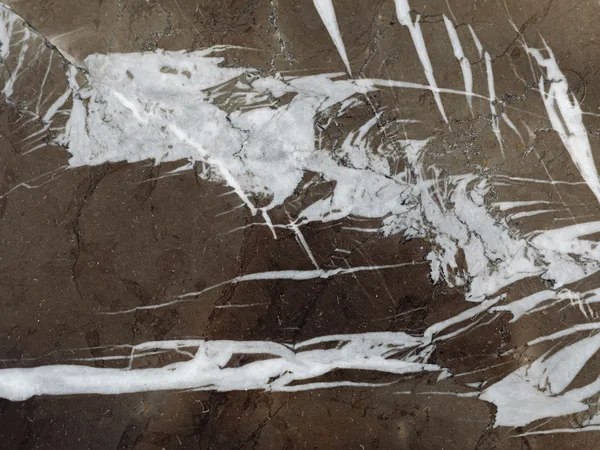
A final seal on the pores
Improved drainage and ventilation in old buildings before any polishing is necessary, so crystallisation lasts longer between rounds.
Wadi Ad-Dawasir on the map
Wadi Ad-Dawasir sits about 82 km from As Sulayyil and about 285.5 km from Al-Aflaj.
Open in Google MapsHow we work
Survey the floor
Prepare the space
Grind and crystallise
Clean up and hand over
Some of our work
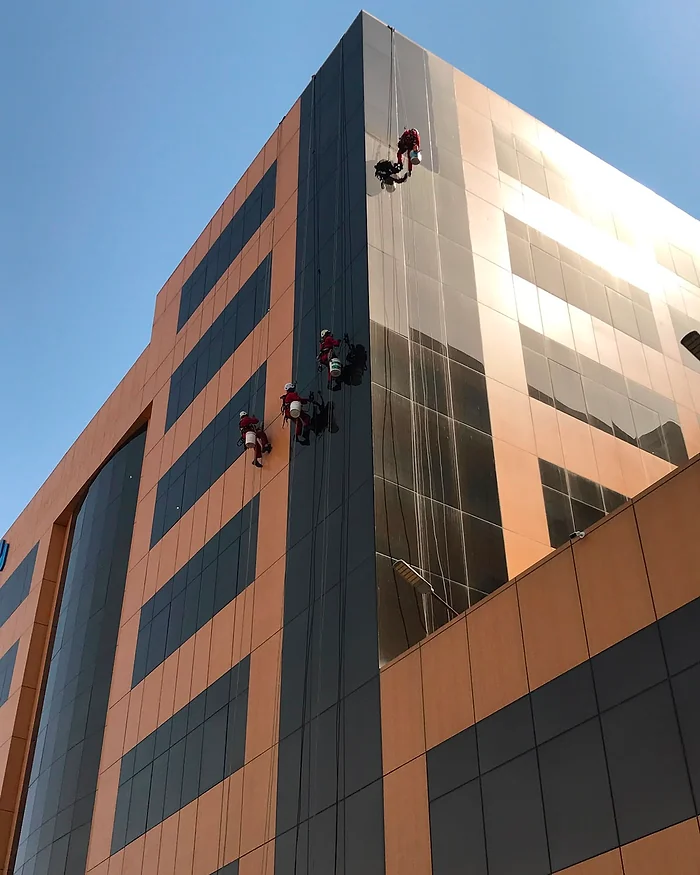
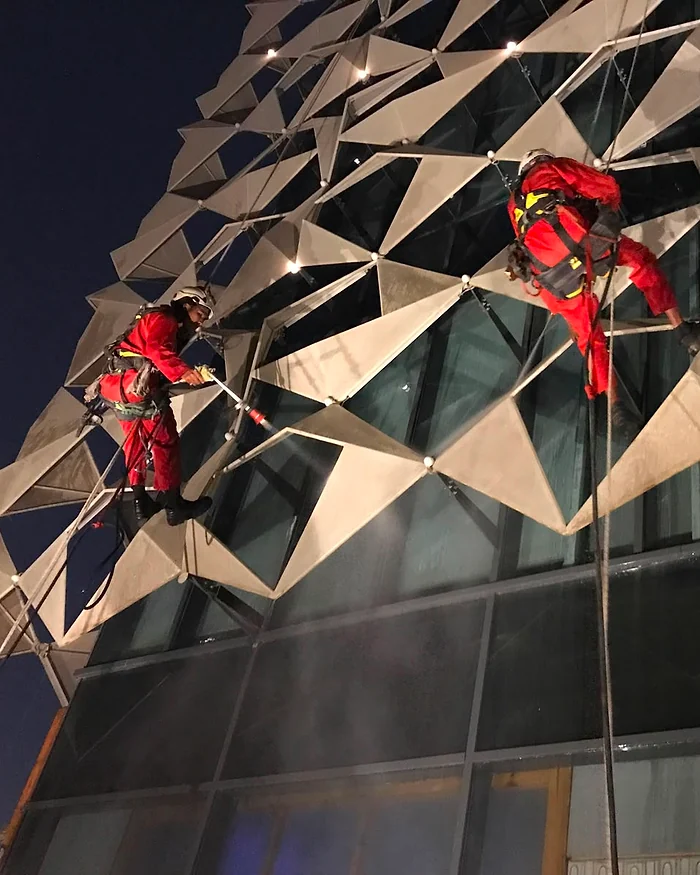
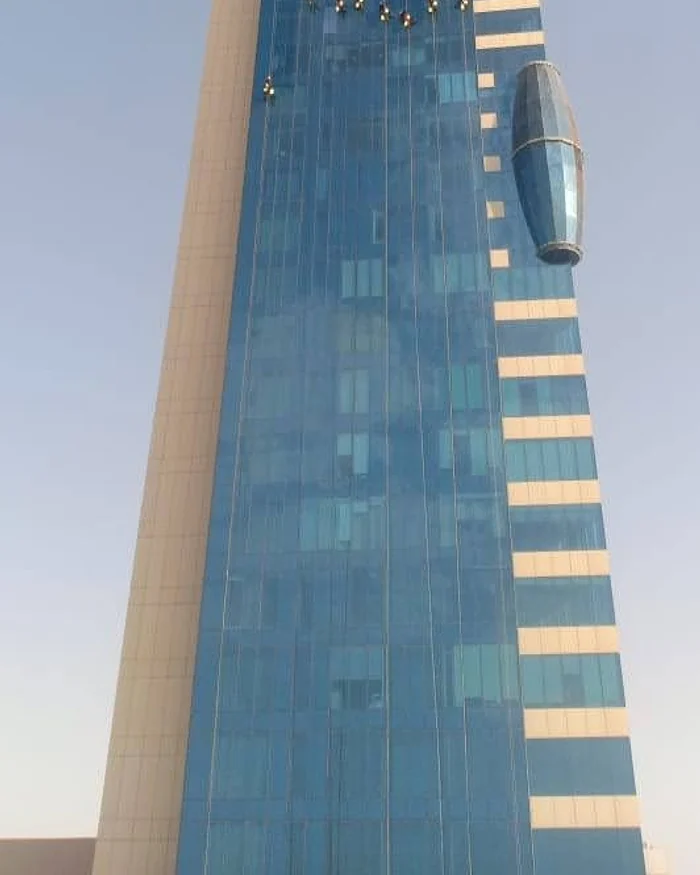
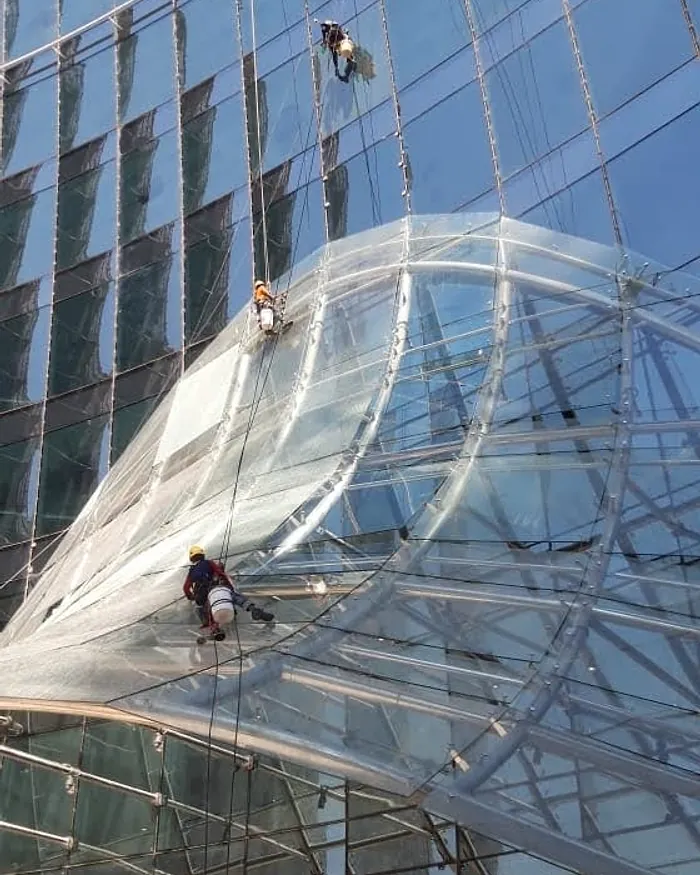
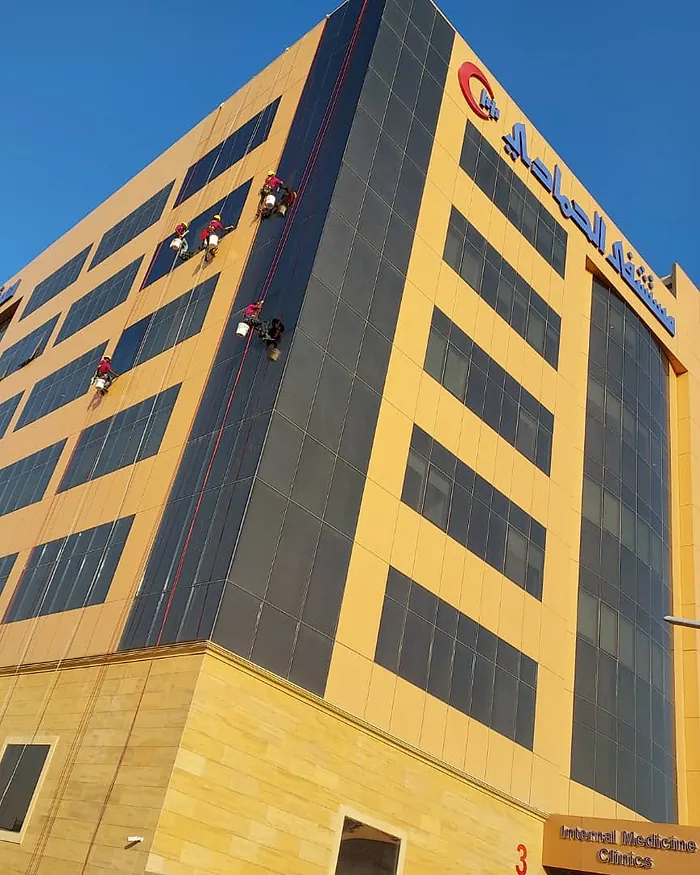
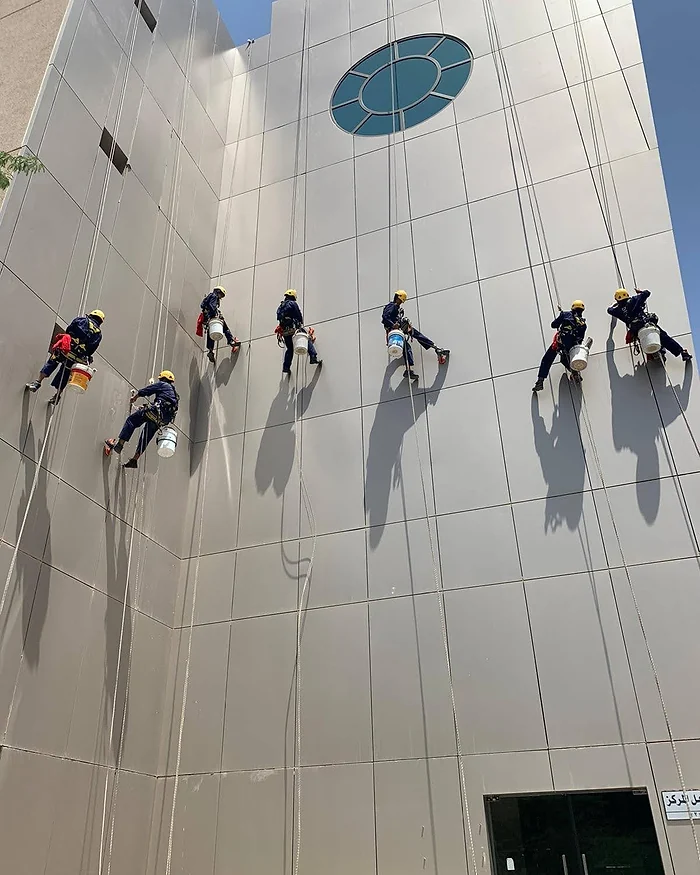
Photos from our team's work.
The character of Wadi Ad-Dawasir
Rural area: farms, open ground and scattered homes
Wadi Ad-Dawasir is a remote oasis town where historic forts sit beside the valley and government buildings spread on higher ground, each location with different humidity and its own polishing challenge.
Other services in Wadi Ad-Dawasir
The room and the building around it are on one list.