Raghwat Al Janoub Maintenance and Cleaning
Marble grinding and crystallisation in Al-Aflaj
Al-Aflaj is an oasis governorate on the southern Tuwaiq escarpment, a group of historic farming villages linked by numerous natural springs and ancient horizontal irrigation channels, home to Al-Ammar heritage village with its old mosque and Jabal al-Tawbad mountain linked to Qais and Layla's story. Stone floors in the old villages are affected by groundwater and springs in ways more complex than towns surrounded only by sand.
Why grinding beats a surface polish
-

Shine from the stone, not a layer
A surface polish shines for the first week, then flakes off at the doors and busy walkways.
-

Scratches removed, not hidden
Deep scratches and sunken stains do not wipe away, because they sit inside the stone.
-

A surface that resists Riyadh dust
Central Saudi dust is fine, mineral and constant, and it grinds against a soft polish all day until the shine dulls.
-
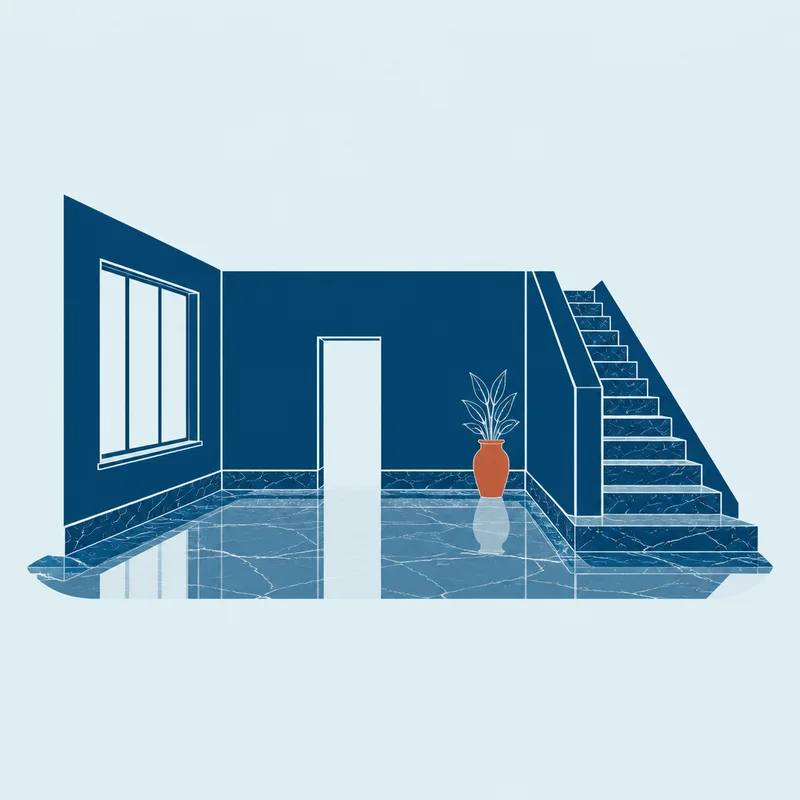
Edges and skirtings matched
Many floor jobs leave the corners and skirtings dull, so the edge of every room gives the work away.
Why the job is different in Al-Aflaj
Floors in Al-Aflaj's farming villages carry marks from constant groundwater and nearby springs, while road and courtyard floors see steady passage from farmers and visitors to natural springs and tourist sites. The whole method is set out in the details of our marble grinding and crystallisation service.
-
Historic farming villages linked to natural springs and ancient irrigation
Al-Aflaj villages are built around natural springs and ancient horizontal irrigation channels, so groundwater levels are permanently high, and stone floors in homes and courtyards absorb salts faster than villages elsewhere, needing specialist treatment for this moisture type.
-
Al-Ammar heritage village with old mosque and tourist visits
Al-Ammar heritage village preserves its old mosque and original mudbrick houses and receives visitors from outside the area to see traditional life, so its floors face tourist traffic in addition to constant moisture from surrounding springs.
-
Jabal al-Tawbad and tourism at natural springs
Jabal al-Tawbad and the natural springs around Al-Aflaj are tourist sites drawing year-round visitors, and the courtyards and passages of these sites have stone floors facing high daily foot traffic plus ongoing moisture from groundwater.
What's Included
Al-Aflaj sits on the southern Tuwaiq escarpment edge, and multiple natural springs around the villages raise groundwater levels permanently, so stone floors absorb salts and minerals faster than purely arid, sand-bound areas.
-
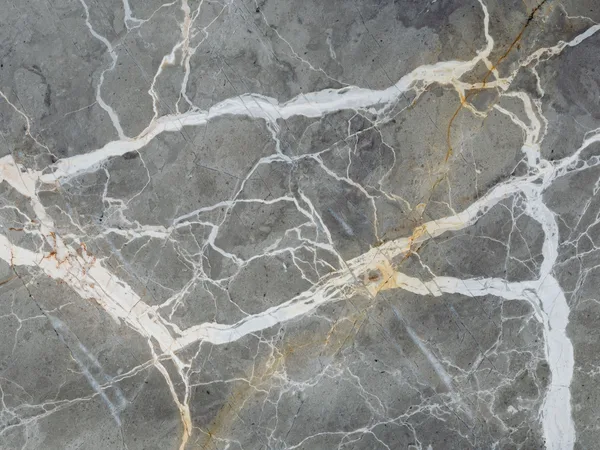
The stone type and its condition read
Farming village floors carry marks from constant moisture from springs and groundwater, needing light acid treatment before crystallisation to remove built-up salts.
-
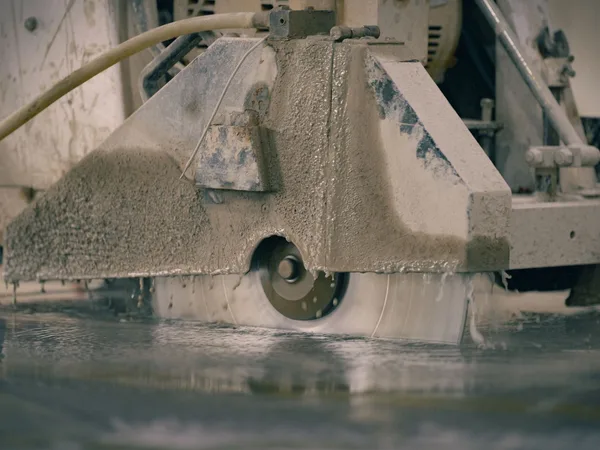
Coarse grinding to take out the scratches
Specialist protective coating is applied to stone in villages to reduce ongoing moisture and salt absorption from groundwater continuing below.
-
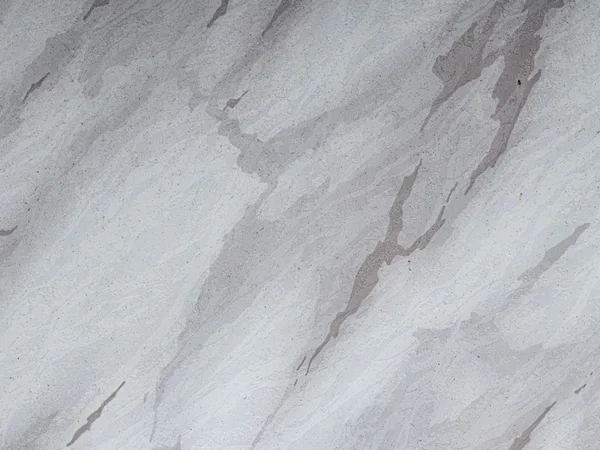
Stepped through to the fine pads
Tourist site courtyards like Jabal al-Tawbad need stronger treatment and more frequent crystallisation because of high traffic plus ongoing moisture.
-
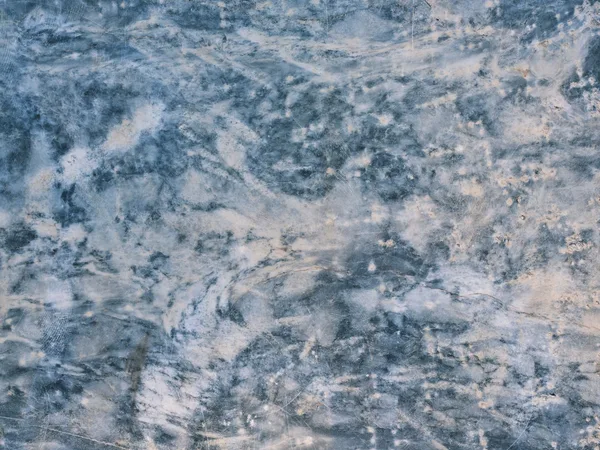
Crystallisation for a hard surface
Al-Ammar heritage village floors in both stone and clay are treated separately according to material type and physical properties of each.
-
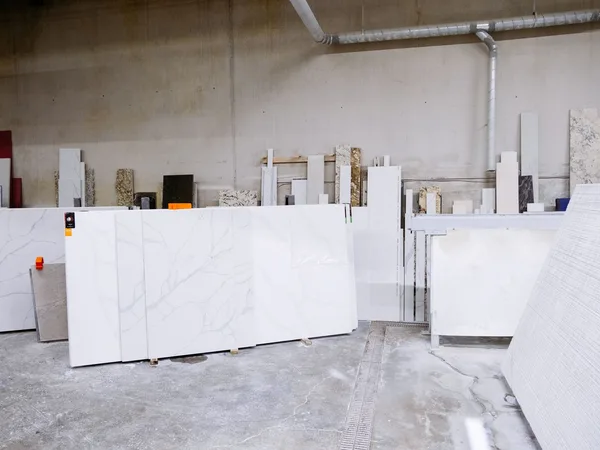
Edges and skirtings
Inspections every three to six months are necessary at all Al-Aflaj sites to measure new salt buildup and plan additional or new crystallisation work.
-
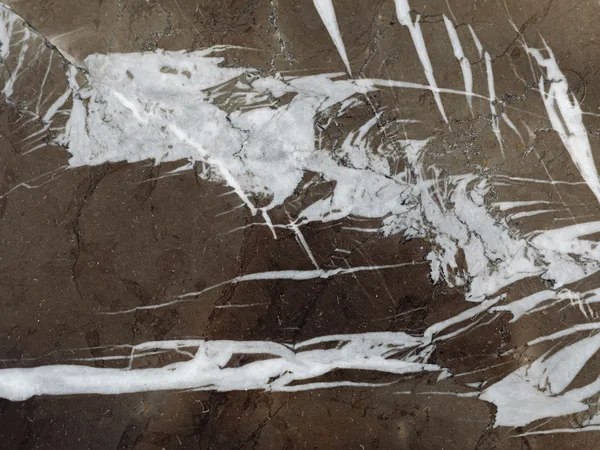
A final seal on the pores
Crystallisation in Al-Aflaj differs completely from arid-region work because natural springs and high groundwater require ongoing treatment and protection year-round.
Landmarks of Al-Aflaj
Crews schedule between Jabal al-Tawbad, Al-Ammar heritage village and natural spring sites, timing visits to tourist flow and seasonal patterns, starting with Jabal al-Tawbad during quiet seasons then farming villages and heritage sites according to visitor density and seasonal moisture shifts.
- Jabal al-Tawbad
- Al-Ammar Heritage Village
- Ain Al-Ras Spring
- Al-Ghail Village
- Al-Tawhid Sports Club
How we work
Survey the floor
Prepare the space
Grind and crystallise
Clean up and hand over
Some of our work
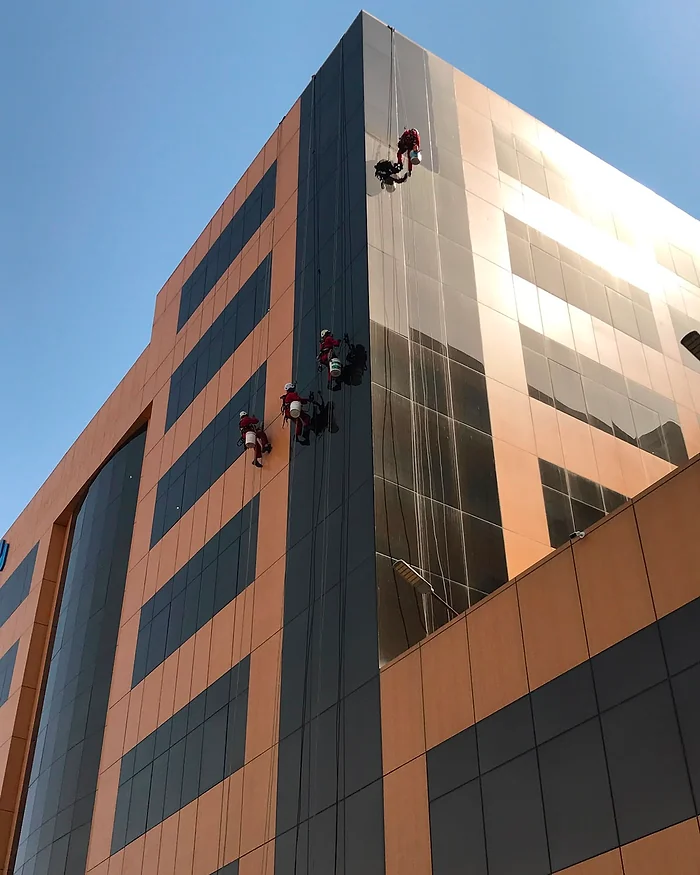
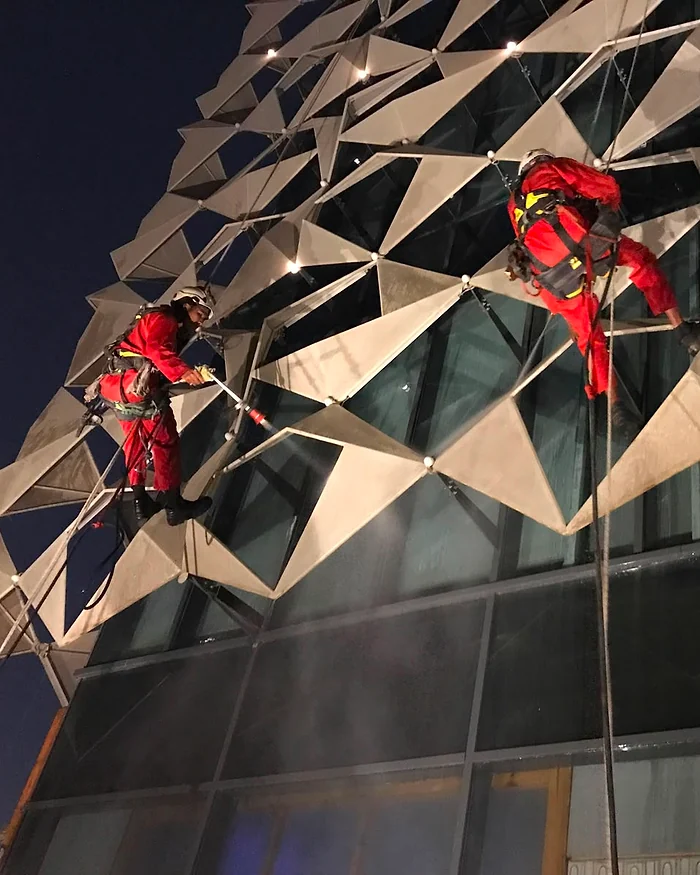
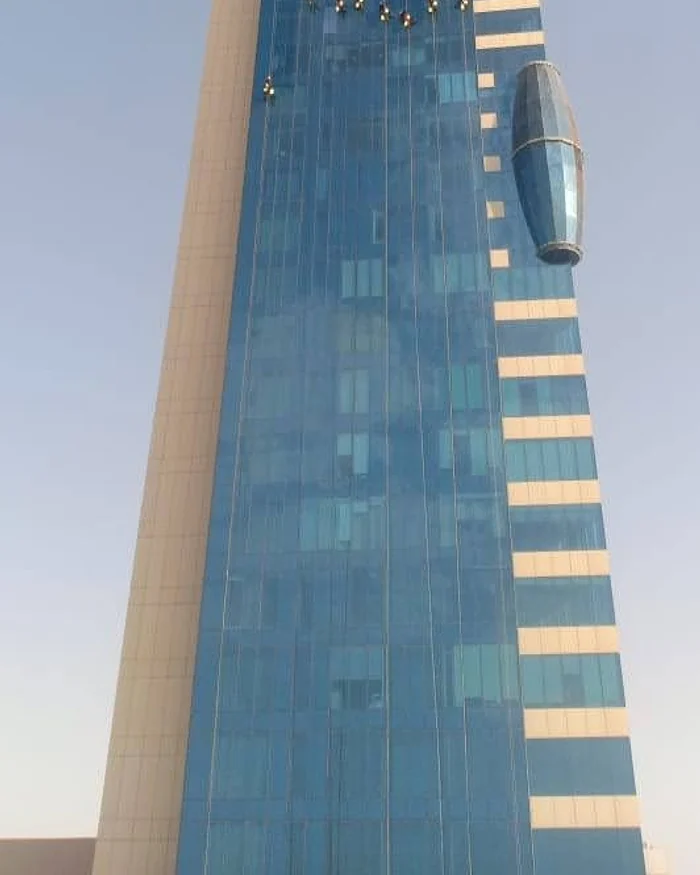
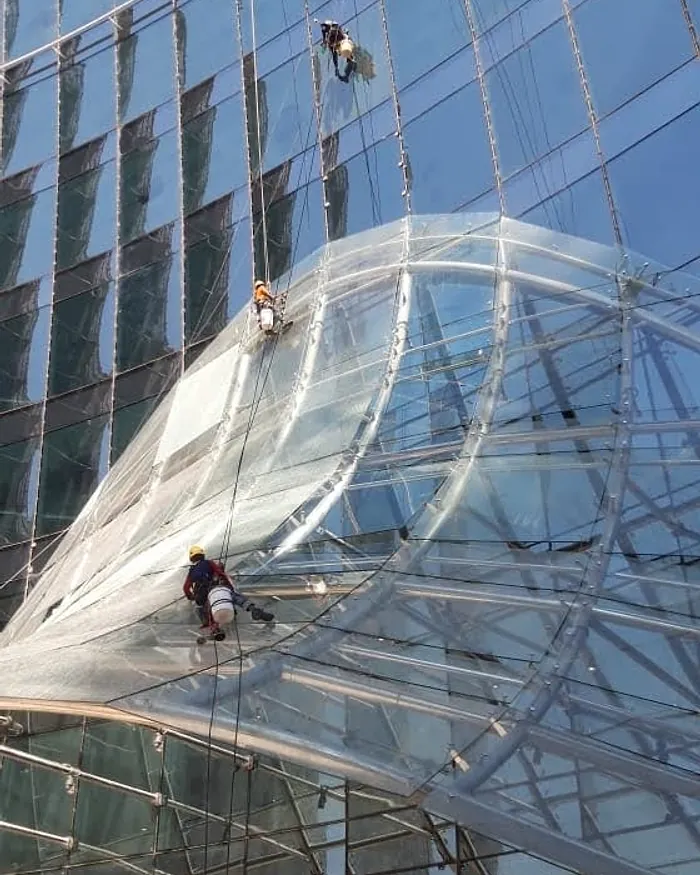
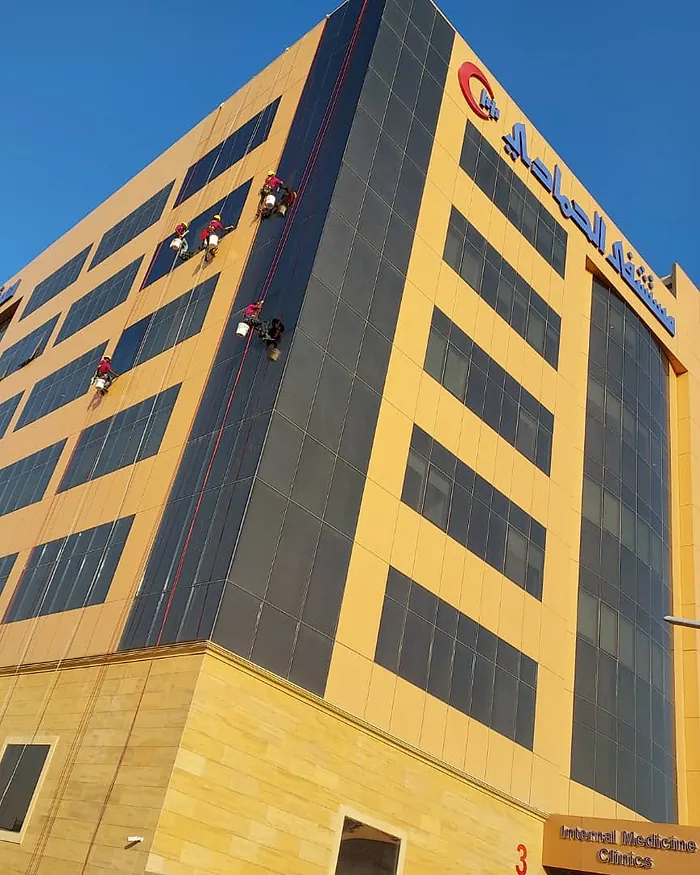
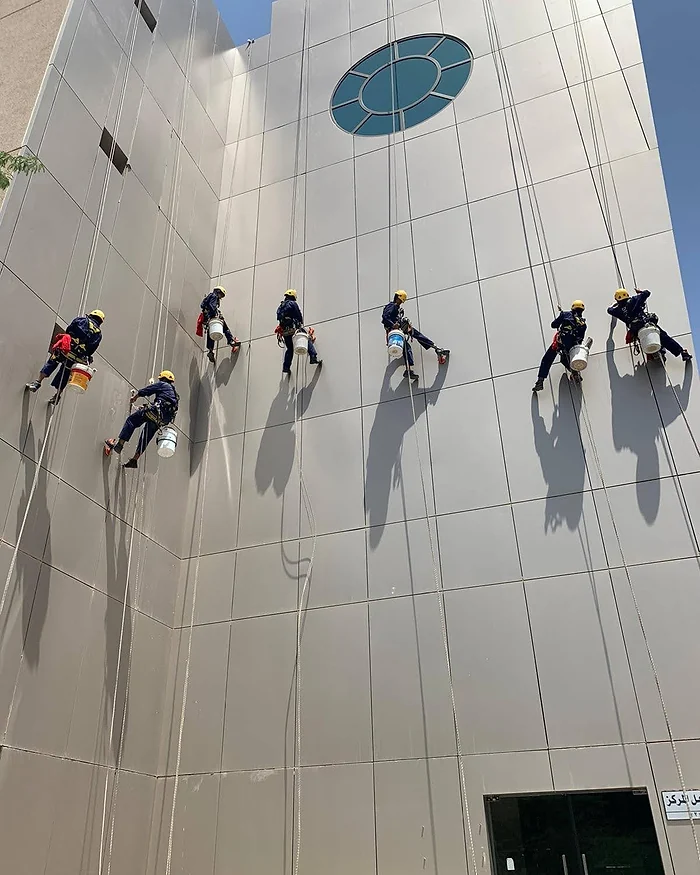
Photos from our team's work.
What is different about Riyadh Region
Riyadh Region covers the central Najd plateau from the capital out to Al Kharj, Al Majma'ah, Al Zulfi, Dawadmi, Al Quwaiiyah and Wadi Al Dawasir. The climate is dry, with fierce summer heat, cool winters and spring dust storms carried off the Dahna sands to the east and the Nafud beyond Al Zulfi. The capital's glass towers and cladding sit alongside stone and marble villas, mosques and government buildings in the towns, with farms and palm groves around Al Kharj and the southern wadis. Fine dust abrades polished floors, and the hard groundwater leaves stubborn spotting on glass and stone.
Other services in Al-Aflaj
The room and the building around it are on one list.