Raghwat Al Janoub Maintenance and Cleaning
Marble grinding and crystallisation in Jubail
Jubail is a planned industrial city on the Gulf coast built around a massive petrochemical complex, an industrial port and a trading port, with worker housing, office buildings, hotels and a technical college, all holding marble in passages, halls and working floors. Sea salt, coastal humidity and factory smoke penetrate deep into the surface, causing rapid loss of shine and fast surface wear.
Why grinding beats a surface polish
-

Shine from the stone, not a layer
A surface polish shines for the first week, then flakes off at the doors and busy walkways.
-

Scratches removed, not hidden
Deep scratches and sunken stains do not wipe away, because they sit inside the stone.
-
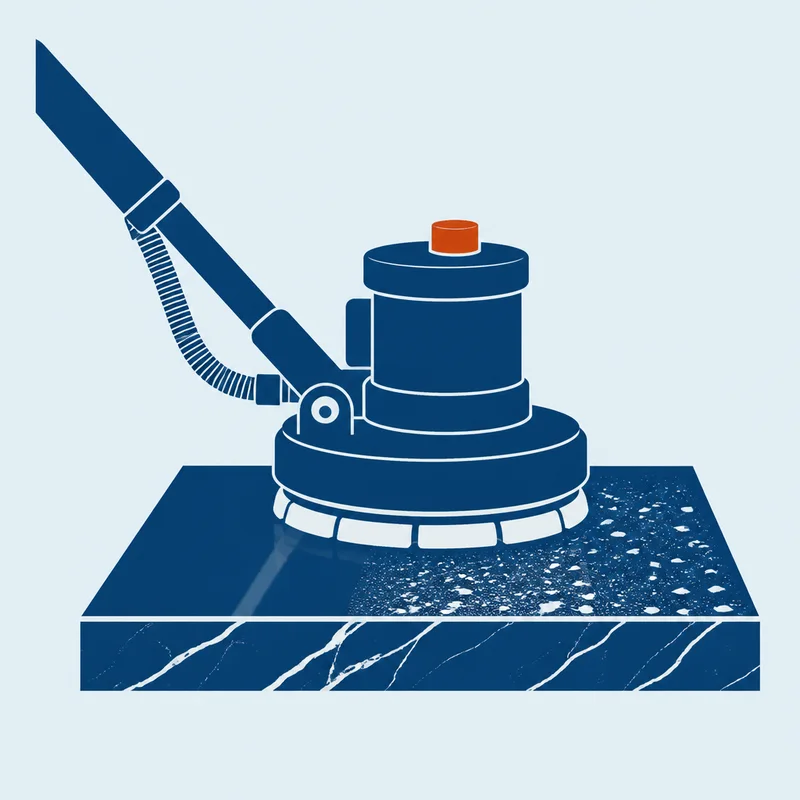
A surface that resists Riyadh dust
Central Saudi dust is fine, mineral and constant, and it grinds against a soft polish all day until the shine dulls.
-
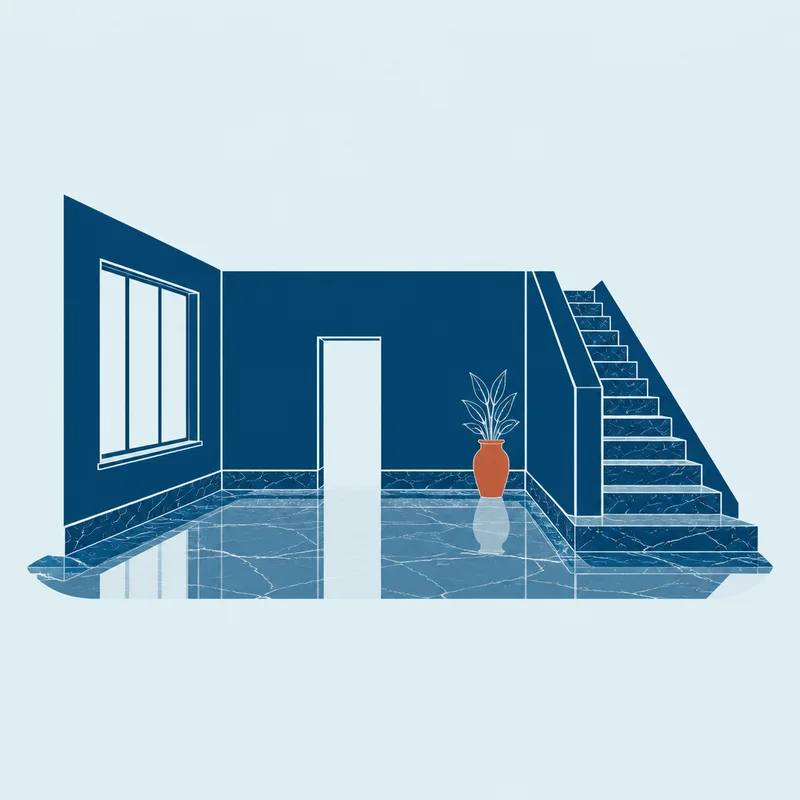
Edges and skirtings matched
Many floor jobs leave the corners and skirtings dull, so the edge of every room gives the work away.
Why the job is different in Jubail
Marble in Jubail's admin offices and hotels holds deep salt moisture, while passages in factories and worker housing suffer heavy foot traces and grease buildup from intense traffic. The whole method is set out in the marble grinding and crystallisation overview.
-
Admin buildings and hotels beside the ports
Jubail's admin offices and hotels sit very close to King Fahd Industrial Port and the commercial seaport, so sea spray and salt reach them directly with the wind, leaving deep white stains on marble.
-
Worker housing and high-traffic passages
Jubail's worker housing complexes see continuous foot traffic morning and evening, so passages and stairs hold moisture, footprints and safety-boot grease that need repeated deep cleaning.
-
Factory entrances and petrochemical smoke
Plant entrances and the petrochemical complex area face heavy industrial smoke at certain times of day, and that smoke settles on marble mixed with salt and moisture, causing deep black or brown staining and fast wear.
What's Included
Jubail sits directly on the Gulf shore, and sea salt, coastal humidity and seasonal winds carry sea spray and industrial smoke straight into buildings, accelerating marble wear and discolouration.
-
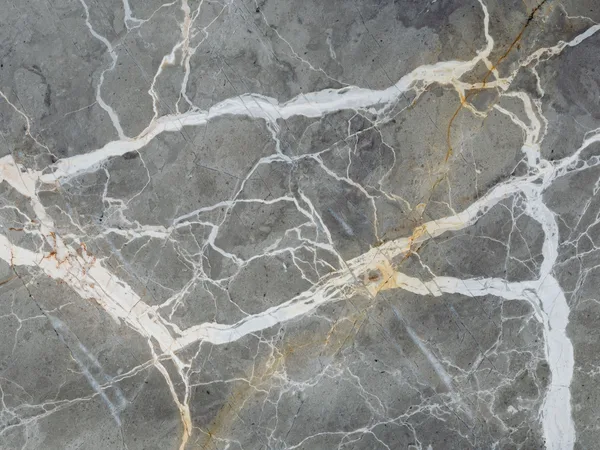
The stone type and its condition read
Sea salt and coastal moisture in Jubail need specialist chemistry before deep grinding.
-
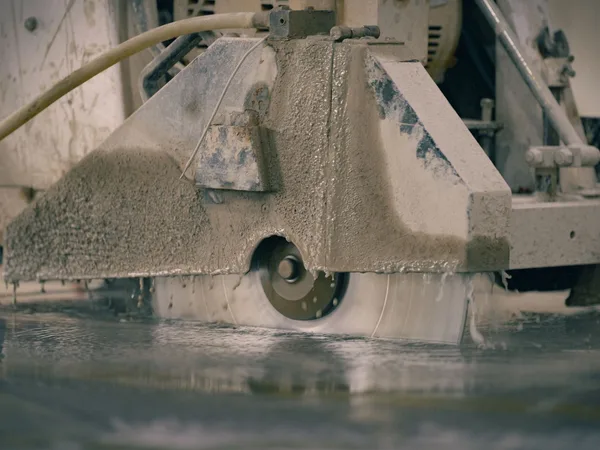
Coarse grinding to take out the scratches
Industrial smoke leaves deep black staining that takes longer to treat in the stain phase.
-
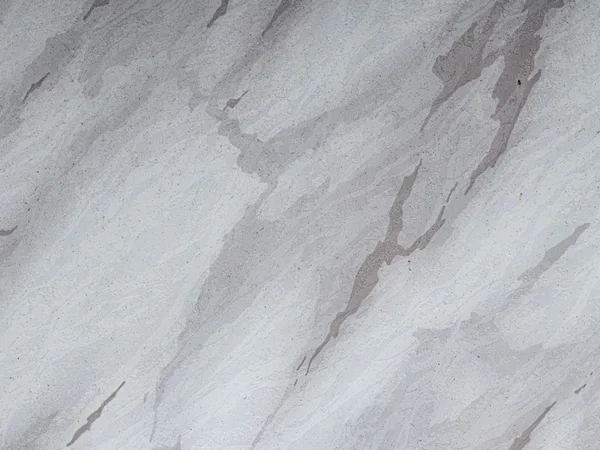
Stepped through to the fine pads
High-traffic passages in worker housing and factories hold very deep moisture, needing longer extraction.
-
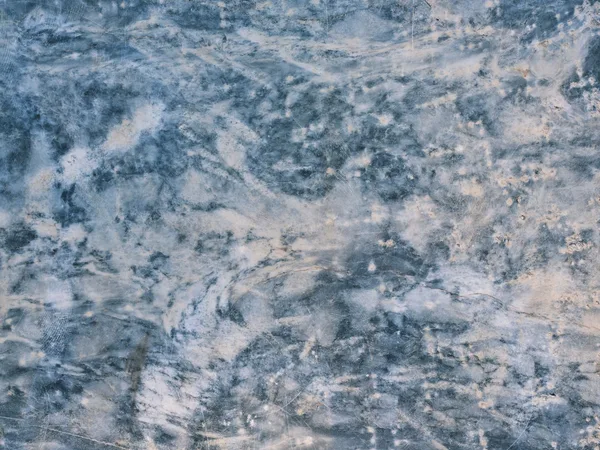
Crystallisation for a hard surface
Protecting marble from sea salt needs a very strong and thicker crystal layer than inland cities.
-
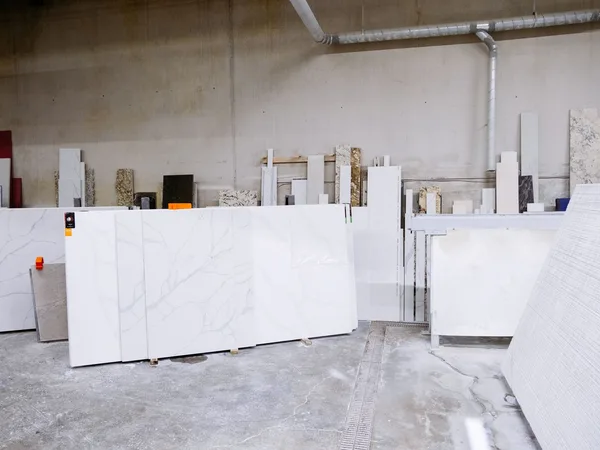
Edges and skirtings
Hotels and offices on the shore need strong routine cleaning to remove sea salt before it builds up.
-
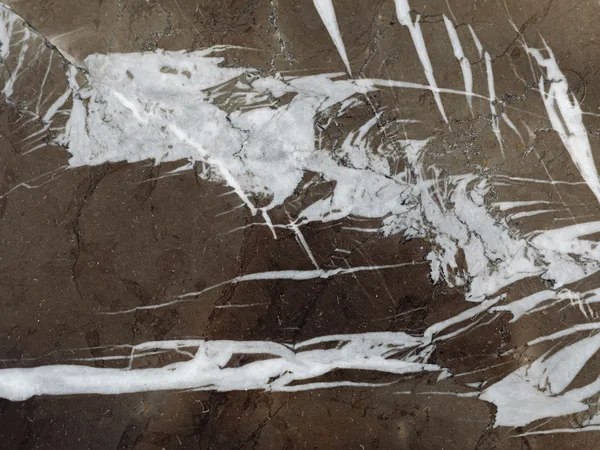
A final seal on the pores
Crystallisation in Jubail needs refreshing much faster than other areas because of coastal and industrial factors.
Jubail on the map
Jubail sits about 50 km from Safwa and about 52.5 km from Ras Tanura.
Open in Google MapsHow we work
Survey the floor
Prepare the space
Grind and crystallise
Clean up and hand over
Some of our work
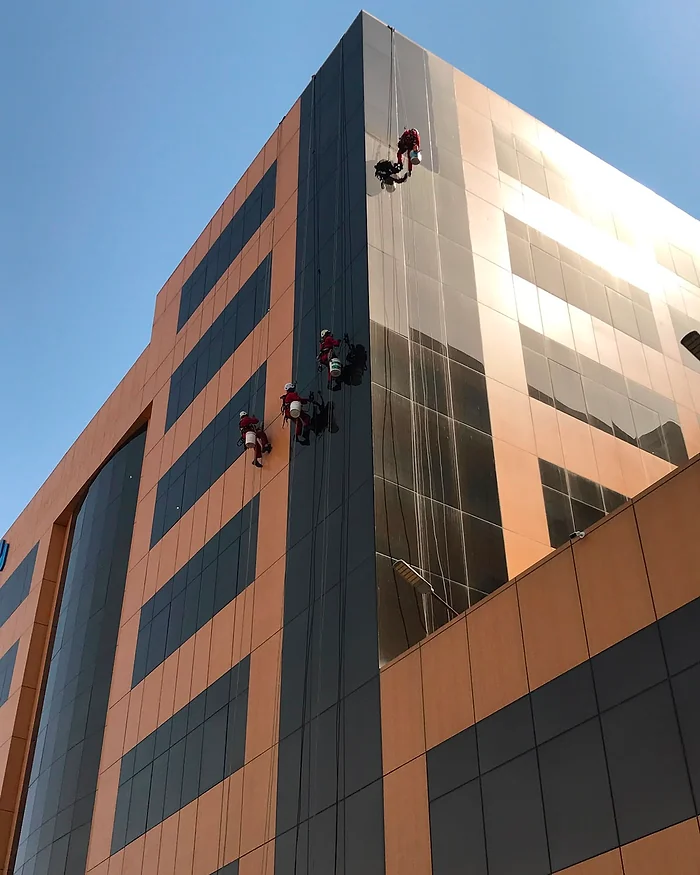
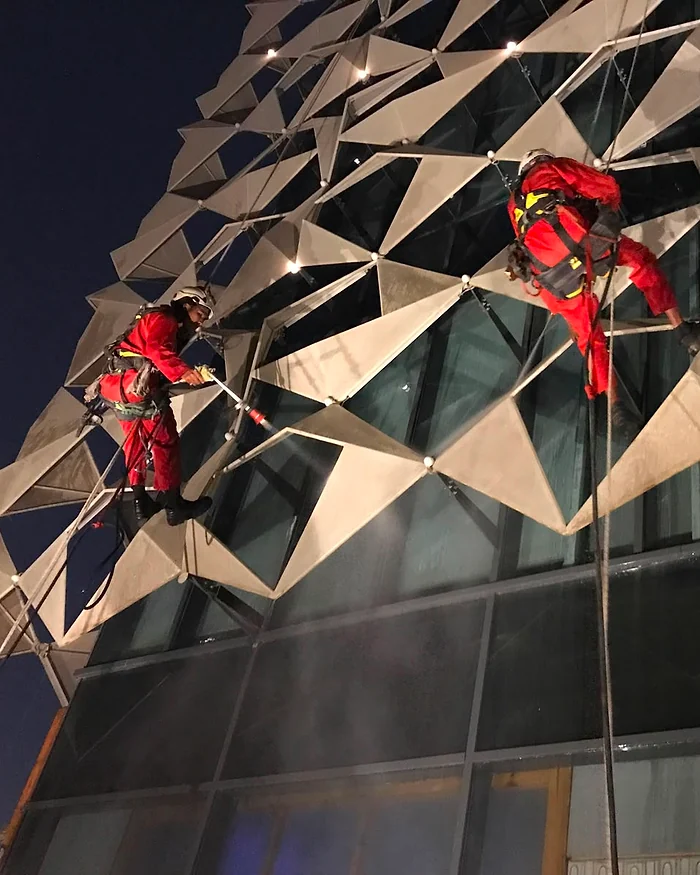
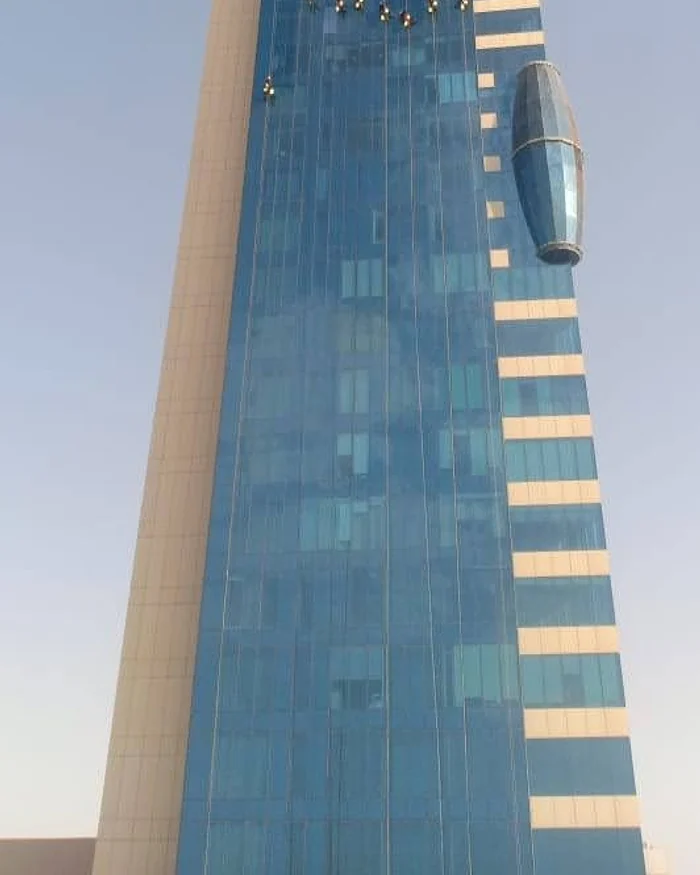
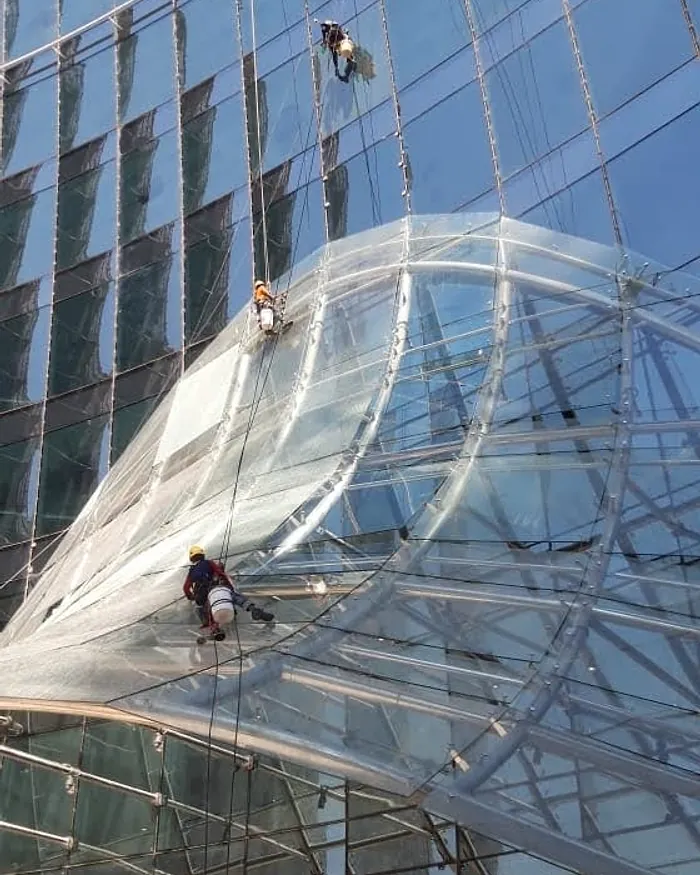
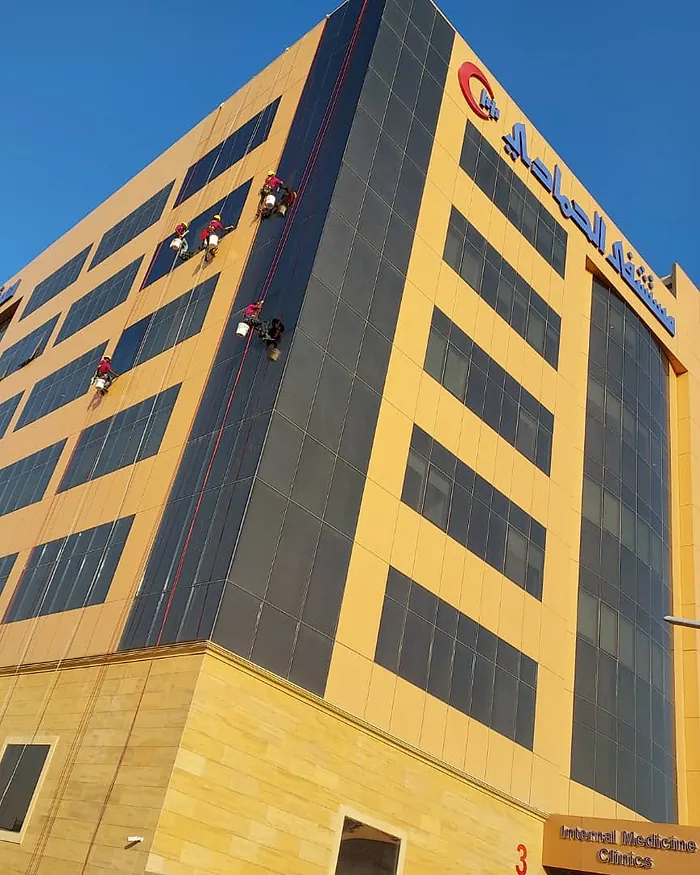
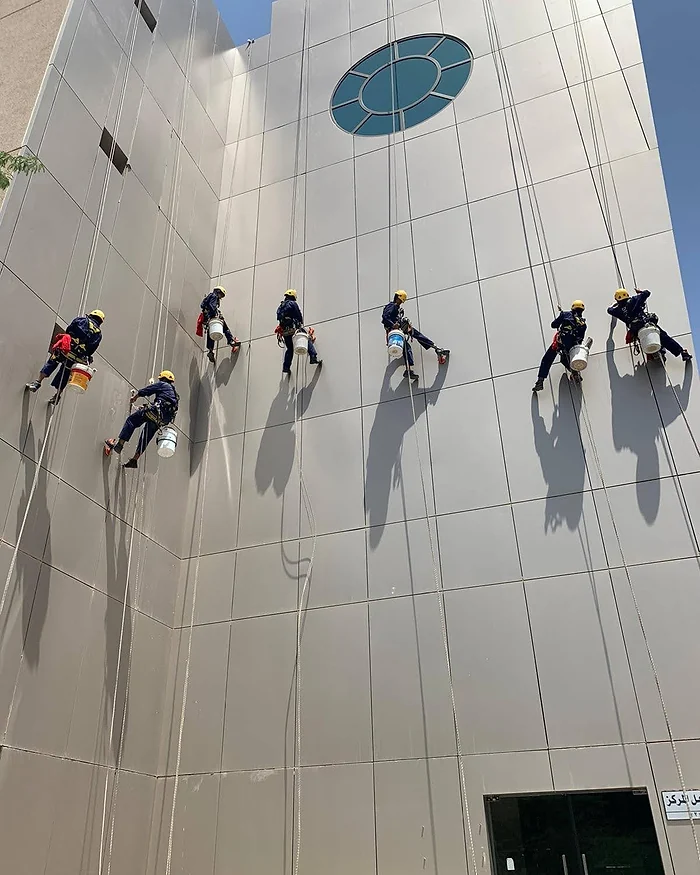
Photos from our team's work.
What is different about Eastern Province
The Eastern Province is the most humid part of the country. Dammam, Khobar, Dhahran and Jubail face the Gulf, where warm salt laden air and summer haze leave a sticky film on glass towers, corniche apartments and the cladding of Aramco and industrial housing, and refinery and petrochemical fallout at Jubail and Ras Tanura adds a fine grey grime. Al Ahsa is an oasis of palm groves, springs and older stone and mud quarters around Hofuf, while Hafr Al Batin inland is dry and swept by northern shamal dust. Metal fittings corrode and marble dulls quickly near the water.
Other services in Jubail
The room and the building around it are on one list.